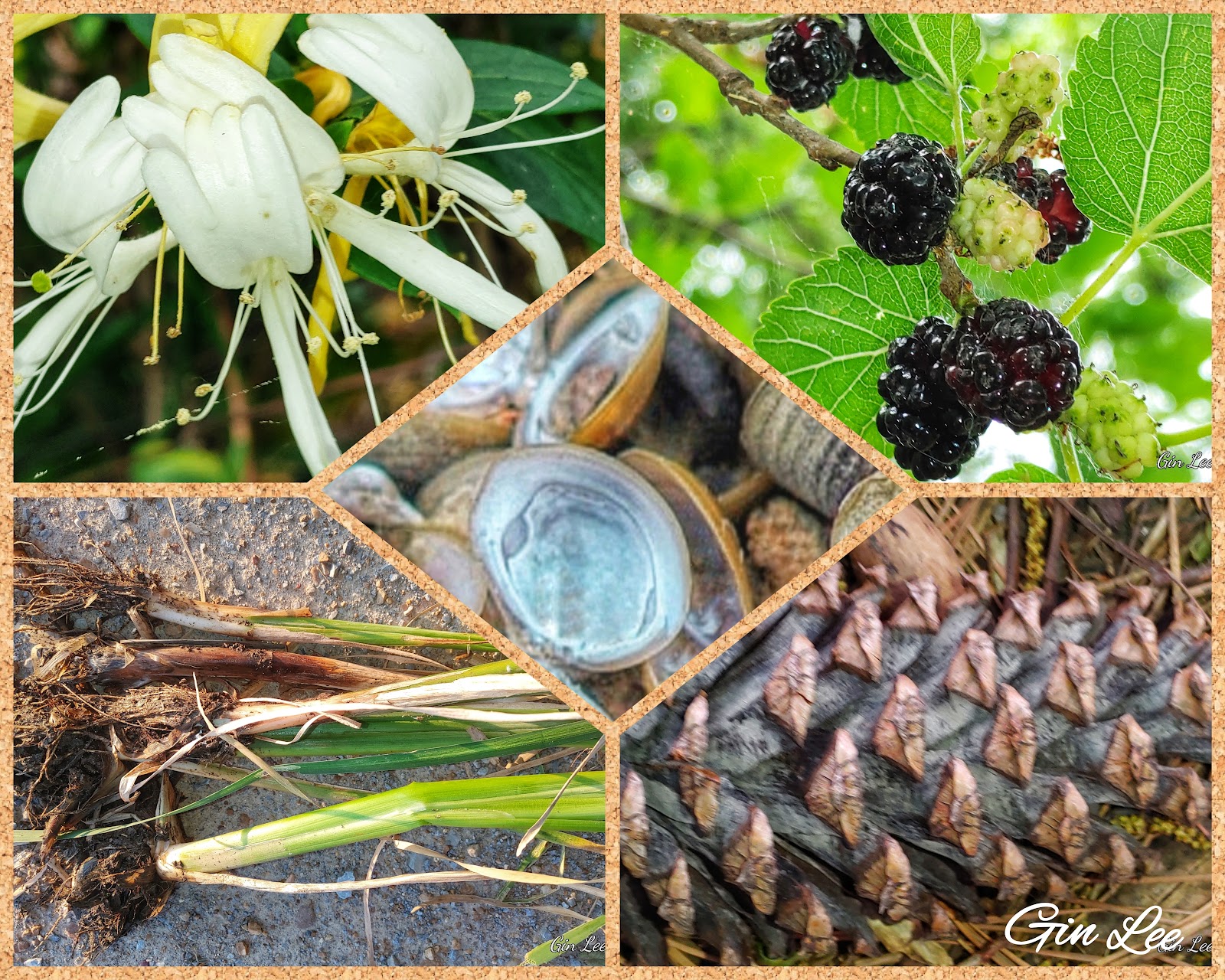
Wild edibles to forage

Wild edibles to forage

If you're interested in foraging for free healthy food then today's article might be right up your alley. Every year during spring, summer, and fall, I enjoy going foraging for wild edibles. I believe that there's a better way of living through foraging. For one, it's an enjoyable experience just being outside and for another it's a way to learn about different plants that grow in the wild, and the third reason that I enjoy it so much are the natural health benefits of eating what I find.

First I'd like to stress to you: when foraging, if you aren't familiar with a wild plant leave it alone. There's several that are indeed very poisonous. If you are new to foraging, take someone who's knowledgeable about wild edibles along with you at least for the first couple of times that you go out to forage. 


Never take more from nature than you actually need. Remember that animals in the wild also need these wild edibles to survive.

Wild edibles to forage:


  1. Wild plants (burdock (all parts of the plant is edible), clover, dandelions (all parts of the plant is edible), day lilies (flowers and roots are edible), honeysuckle, rose petals, redbud blossoms, wild onions, wild garlic, etc.)
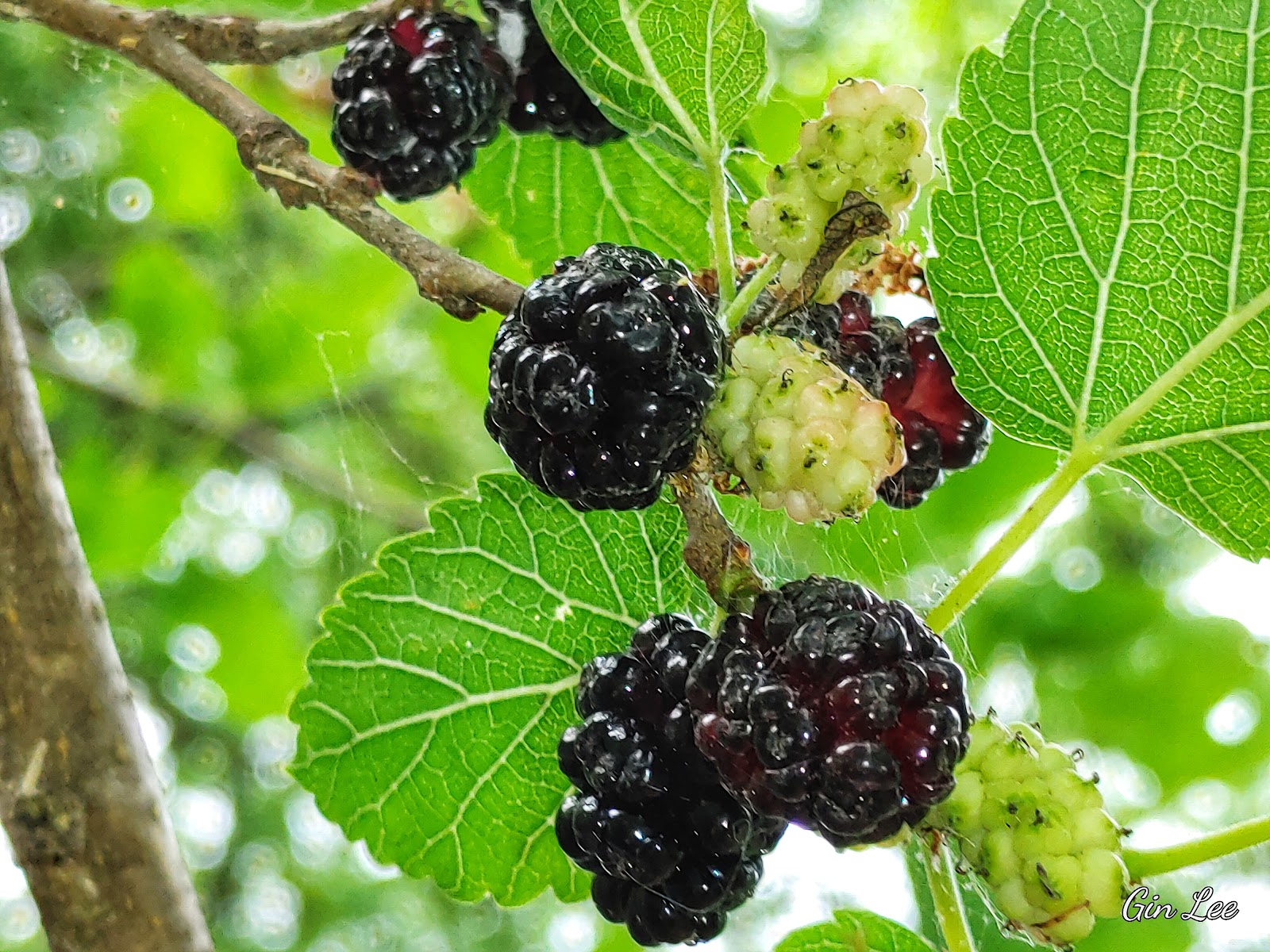


  1. Berries and other wild fruit (elderberries (cooked), mulberries, persimmons, passion fruit, etc.)
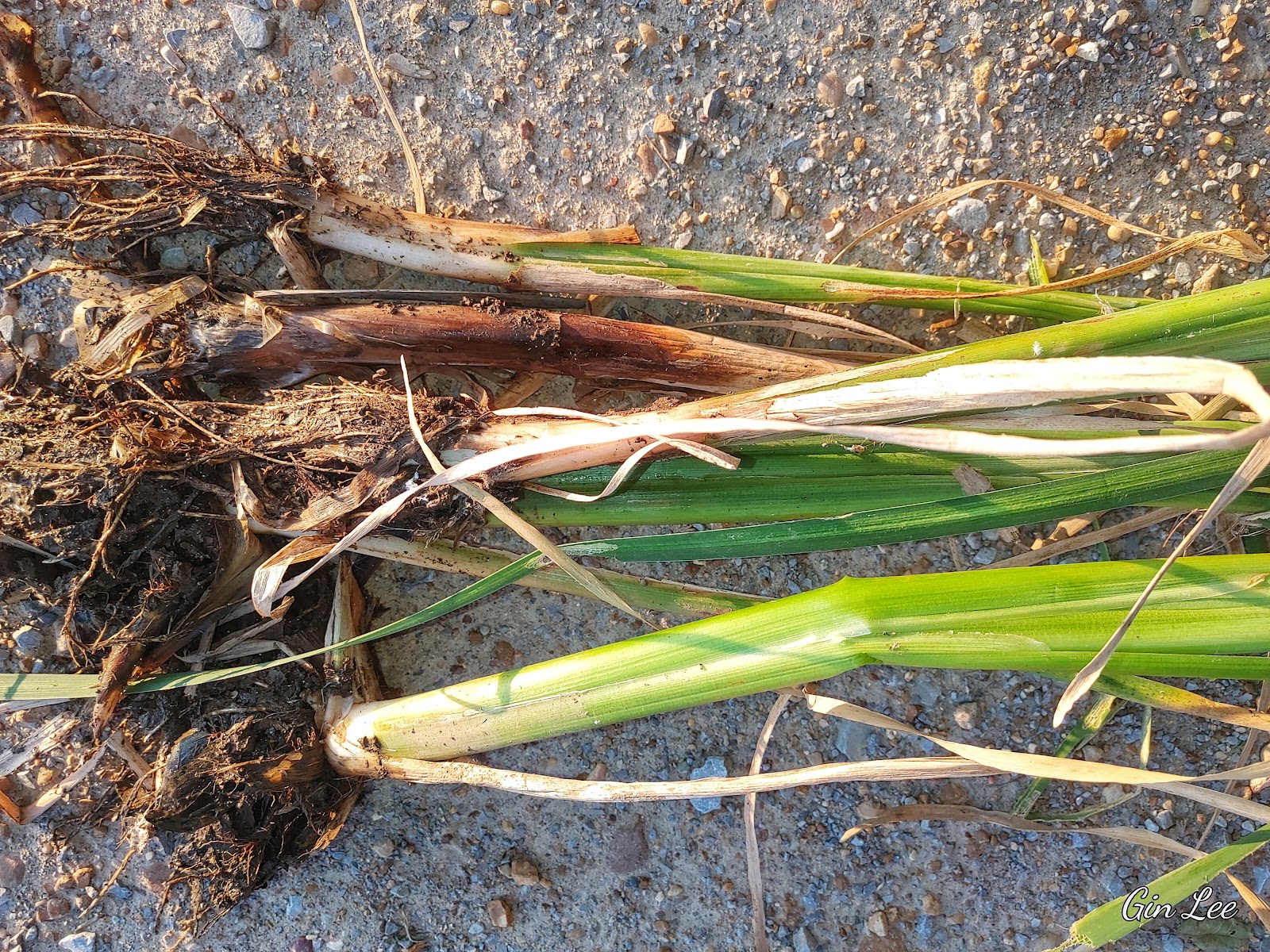


  1. Roots (cattail roots, chickweed, chicory, curly dock, burdock, dandelion roots, day lilies, Jerusalem artichoke, wild carrots; also known as Queen Anne's Lace, etc.)
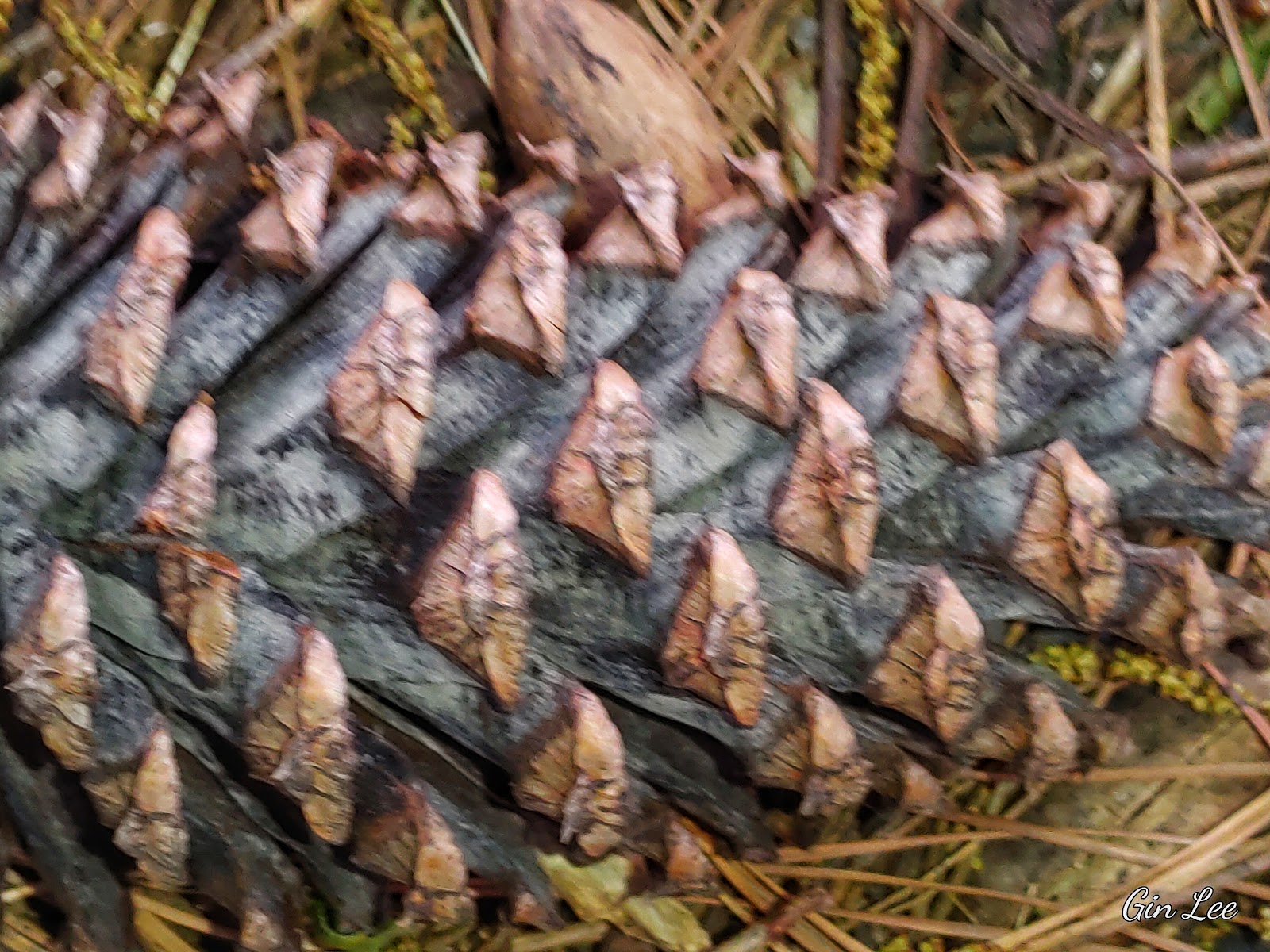


  1. Seeds and nuts (pine nuts, pecans, walnuts, acorns, etc.)


  1. Shellfish (clams and mussels)


I like foraging in my own backyard because I am familiar with all my surroundings. I never use any type of chemicals on my land so I know the wild edibles that I pick or dig up are going to be safe to eat once they're washed well. 


You'll be very surprised by just how many different things that are edible in your own yard. In fact, there's numerous cattail plants, day lilies, honeysuckle, wild onions, wild garlic, dandelions, clover, roses, mulberries, pecans, acorns, and pine nuts, etc.


Popular posts from this blog

How to Grow Lentils in Hydroponic Trays

How to Grow Lentils in Hydroponic Trays Introduction Lentils are a nutritious and delicious legume that can easily be grown in hydroponic trays. Hydroponic gardening is a method of growing plants without soil, using nutrient-rich water instead. In this article, we will discuss the steps on how to grow lentils in hydroponic trays with nutrient solution and without it using only water. Materials Needed To grow lentils in hydroponic trays, you will need the following materials: Hydroponic trays Hydroponic trays that will hold the lentils and nutrient solution. Lentil seeds Make sure to use high-quality lentil seeds for the best results. Nutrient solution A mix of water and nutrient solution that will feed the lentil plants. Grow lights Since lentils need plenty of light to grow, you will need grow lights if you don't have access to natural sunlight. Steps to Grow Lentils Step 1: Prepare the Hydroponic Tray Fill the hydroponic tray with the nutrient solution according to the instru...

Exciting New Year Wishes for 2025!

Audio:  happy-new-year-electropop-music-183324, Pixabay Graphics by: Canva studios and Gin Lee Exciting New Year Wishes for 2025! Hey everyone! Hope you had a fantastic New Year's celebration and are ready for an amazing year ahead! New Beginnings As we start off this new year, it's a great time to set some goals and make some resolutions. Whether it's getting better grades, being kinder to others, or trying something new, now is the perfect time to make a fresh start. Reflecting on the Past Take some time to think about the past year and all the things you accomplished. Celebrate your successes and learn from any challenges you faced. Every experience helps us grow and become stronger. Spreading Joy One of the best parts of the new year is spreading joy and positivity to those around us. Whether it's a smile, a kind word, or a helping hand, small gestures can make a big difference in someone's day. Setting Goals Think about what you want to achieve this year and ma...

Taking Care of Tiny Kittens

Taking Care of Tiny Kittens Finding the Little Furry Friends One day in October, on my birthday, I went outside and guess what I found? Three tiny kittens right by my deck! The next morning, my Boxer dog showed me another kitten hiding nearby. The first three kittens looked like they were about three weeks old, and the one with the creamy orange fur seemed a bit older, maybe four weeks. Becoming a Kitten Caretaker There was no mother cat around, so I decided to take care of them myself. I started feeding them warm kitten formula from a bottle to make sure they got the nutrition they needed. Growing Up Fast Now, the kittens are about 6-7 weeks old and are doing great! When they reached their fourth week, I began giving them a mix of kitten pate and formula. Just last week, they started eating kitten chow, which is a big step for them. Happy and Energetic The kittens are full of energy and are having a blast playing inside the house. They are happy, healthy, and I believe they're rea...