All-natural wood ash liquid detergent
From natural hardwood to burnt ash to all natural liquid detergent. Wood ash can be used for numerous things, such as fertilizer, creating homemade soap, laundry detergent, cleaner, and even toothpaste. Wood ash liquid detergent works beautifully on lifting stains out of your clothing. The detergent can also be used for multiple purposes, such as a tub and shower cleaner, floor cleaner, etc.. Today, I am pulling out my wood ash to create an all-natural laundry detergent booster. Have to tell you guys that this stuff is amazing!
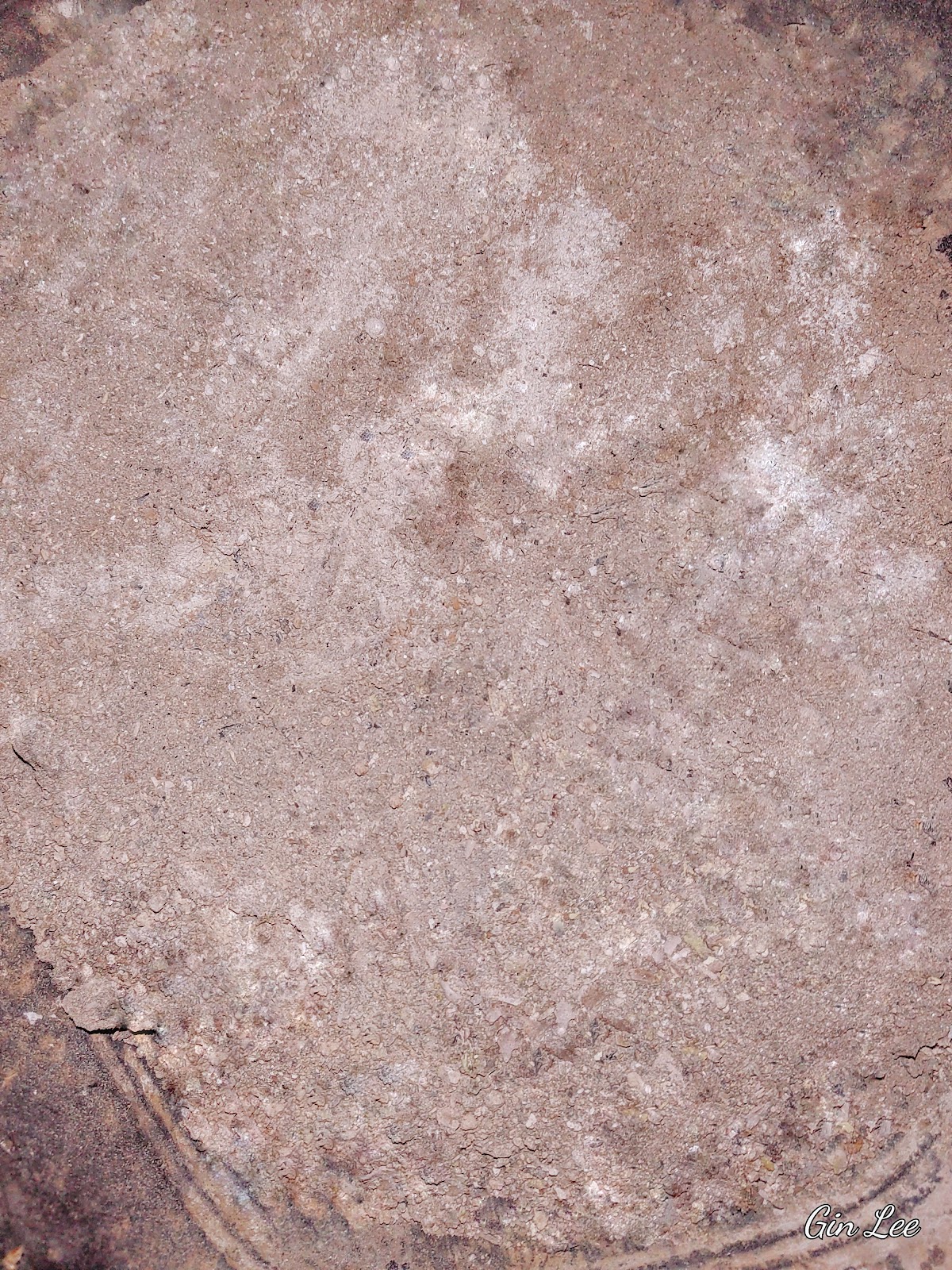
Using wood ash powder
Handling wood ash is messy, it can be abrasive, and it's normally powdery (if your woodstove and fireplace are burning properly) so there's a lot of dust particles involved. So, I suggest always wearing gloves and a face mask while you're working with wood ash.
Wood ash has been used for centuries as a cleaning agent in the form of different soaps, but wood ash can also be used in its natural dry form as a scrubbing cleaner. I know, I just said that wood ash is messy and now I am saying it can be used as an all-natural cleaner. The two statements really don't seem to go together, but yet they actually do. Now, allow me to explain and walk you through how I make homemade wood ash liquid laundry detergent.
So, how can something that's so messy be used to clean stuff? How does it work?
When you combine wood ash with hot water, lye is created. Lye is a natural ingredient in soap-making and laundry detergent.
When you combine lye, a form of fat, and boiling hot water together, you can make traditional homemade soap. However, to make a liquid detergent that can be used not only for laundry but also for other things, the process is a lot simpler. All you need is wood ash, a couple of containers, a sieve, and some hot water, and time. After the process is complete, you'll end up with a totally clean batch of soapy detergent.
Items you'll need:
Wood ash
Hot water
2 buckets
1 pillow case
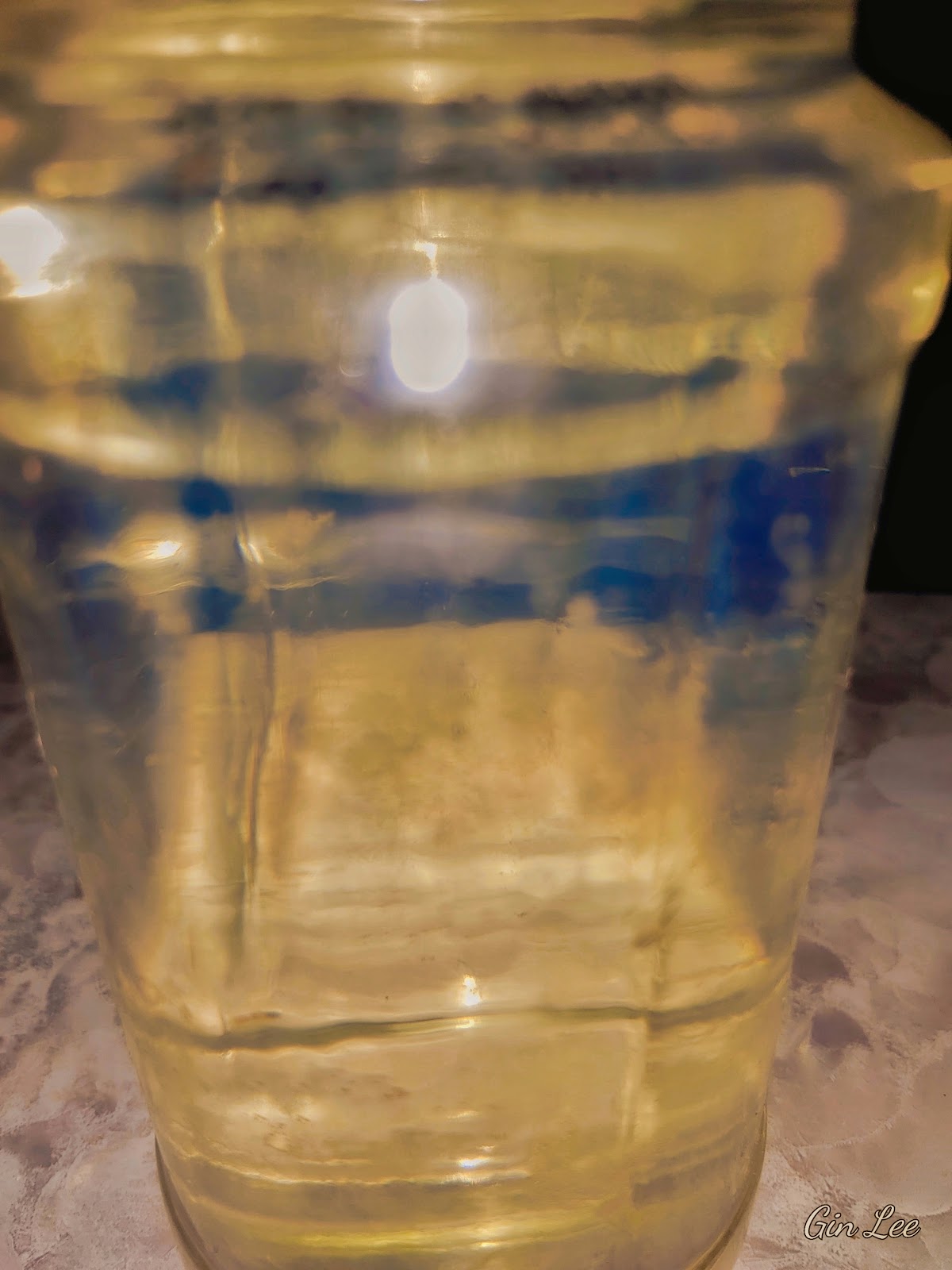
1 clean empty container, such as an empty, clean laundry detergent bottle, etc.. (Don't store the liquid detergent inside glass containers, I poured some of mine into a glass jar just for presentation so that the liquid could be seen.)
Note:
The amount of ash and water you use, I will leave up to you. However, note that you'll need twice the amount of water as you will the wood ash (ratio is two to one). Example: 2 cups of hot water mixed with 1 cup of wood ash.
Instructions:
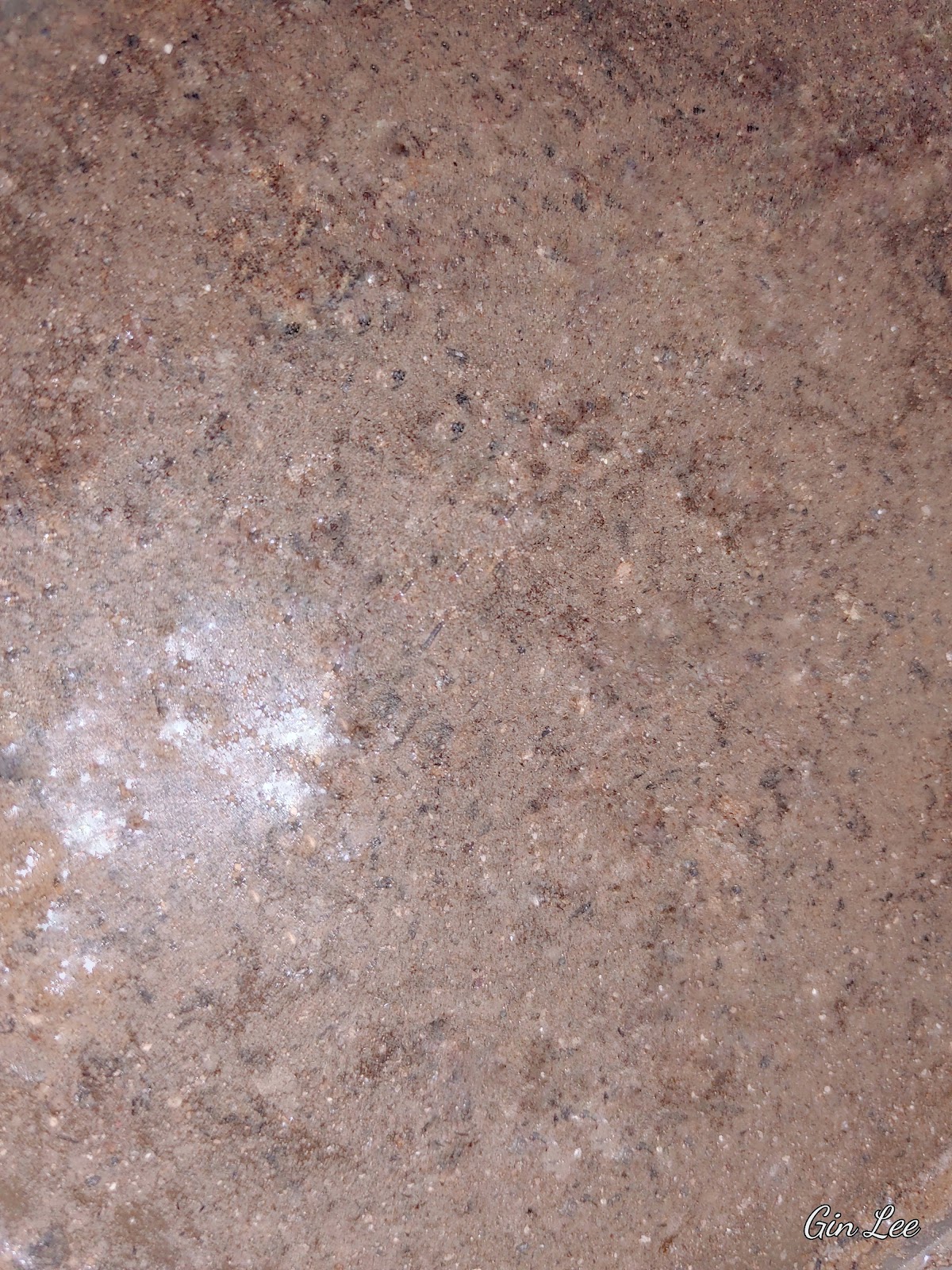
In a bucket, add the amount of water to the wood ash (in a 2:1 ratio) that you'll need. This step will separate the potash from the ash. (Potash happens to be the white powder that comes from the ashes of burned wood.)
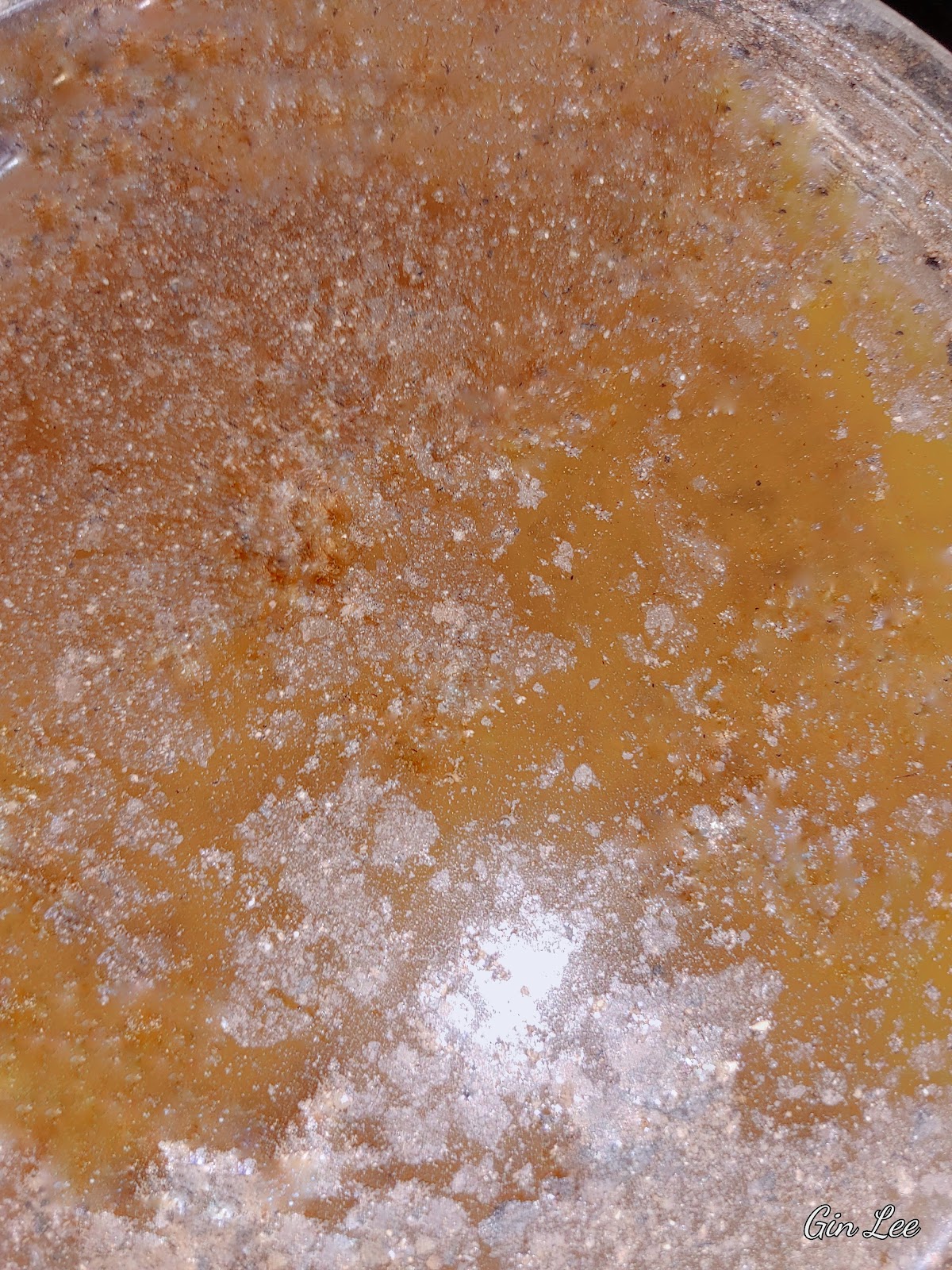
Once the hot water and wood ash is combined, cover the container, and allow the mixture to sit for a full twenty-four hours, or longer. After the ash wood mixture rests, the liquid will be yellowish at the top with some residues at the bottom.
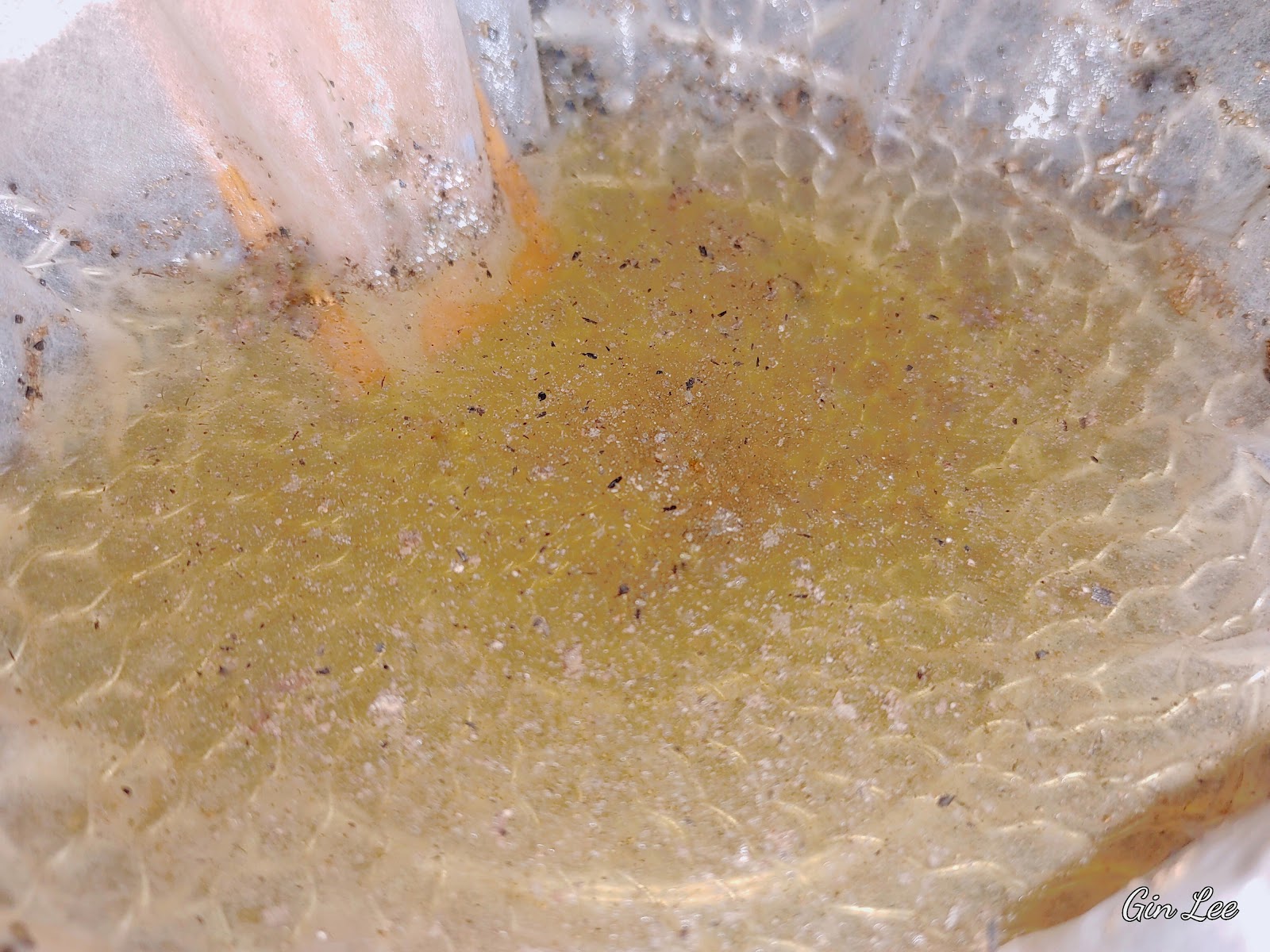
Next, use a sieve and a coffee filter and pour the liquid into it (over a separate clean container). When you have finished, you will end up with an all-natural detergent and it should feel really slippery. The detergent can be used as a laundry booster, laundry detergent, all-purpose cleaner, dish detergent, etc.. Just make sure after use that you rinse it off well.
To use:
Use the same amount of the wood ash detergent just as you would with any regular detergents. (About ¾ cup for each load of laundry.) The detergent only keeps for one month. Store it in a plastic container. I used an old glass jar just to show y'all what it looks like when it's finished. It turns out a very clean amber color.
This type of detergent will not be the same as liquid detergent that you purchase from the store. So, don't expect all the suds. However, you can expect to have an awesome, free, all-natural detergent that works exceptionally well.