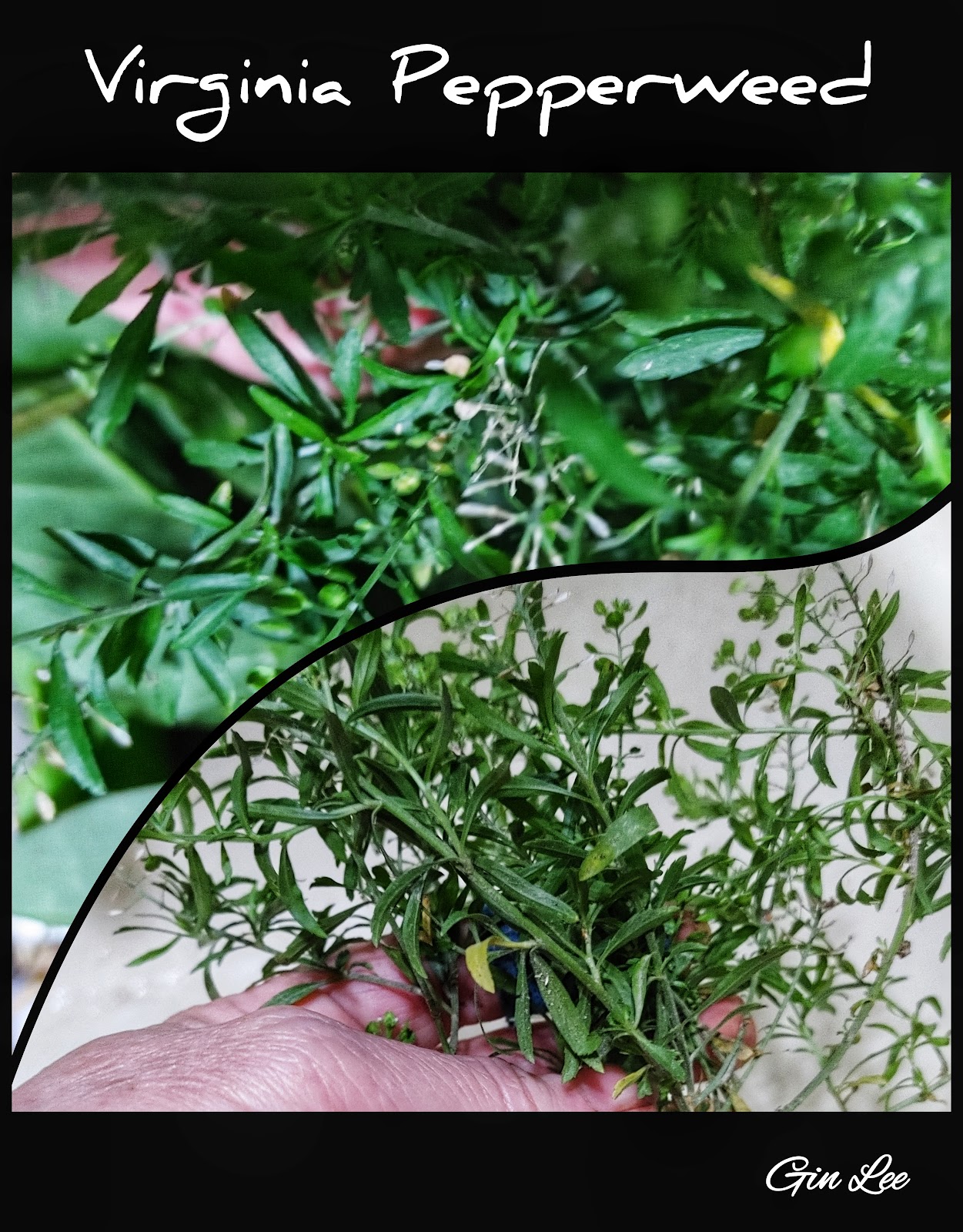
Virginia Pepperweed, Nature's Wild Herb
Virginia pepperweed, also known as Lepidium virginicum, is a member of the mustard family. This fast-growing herbaceous plant is native to North America and can be found in various habitats, including fields, meadows, and roadsides. It gets its name from the peppery taste of its leaves and stems when crushed or chewed. While often considered a weed, Virginia pepperweed has gained popularity for its culinary uses and impressive nutritional profile.
Nutritional Profile of Virginia Pepperweed
Virginia pepperweed is a nutritional powerhouse packed with essential macronutrients and micronutrients. The young leaves, which are the most commonly consumed part, contain protein, fiber, carbohydrates, and healthy fats. These leaves are also rich in vitamins A and C, providing a healthy dose of antioxidants. Additionally, Virginia pepperweed contains minerals such as calcium, iron, potassium, and magnesium, contributing to a well-rounded nutritional profile.
Throughout history, Virginia pepperweed has been used as both food and medicine. Native American tribes, such as the Cherokee, recognized its edible qualities and incorporated it into their diets. In modern times, this versatile plant has found its way into the culinary world. The young leaves can be added raw to salads, providing a peppery kick and a nutritional boost. They can also be cooked and used in stir-fries, soups, or as a flavorful herb in various dishes. Virginia pepperweed's unique taste adds a zesty twist to meals, making it a favorite among adventurous cooks.
Health Benefits of Consuming Virginia Pepperweed
In addition to its delightful flavor and nutritional value, consuming Virginia pepperweed offers numerous health benefits. The plant possesses potent antioxidant properties, which help combat harmful free radicals in the body. This can contribute to overall wellness and reduce the risk of chronic diseases. Moreover, the high vitamin C content in Virginia pepperweed supports a healthy immune system, aiding in the body's defense against illnesses. Furthermore, its anti-inflammatory effects may assist in reducing inflammation and promoting better overall health. So, why not spice up your meals with a dash of Virginia pepperweed and reap the benefits it has to offer?
Culinary Uses and Recipes with Virginia Pepperweed
Popular Dishes with Virginia Pepperweed
Virginia pepperweed may not be as famous as other culinary herbs, but that doesn't mean it can't pack a punch in your dishes. Its peppery flavor adds a delightful zing to salads, soups, and stir-fries. Some popular dishes where you can find Virginia pepperweed include spring green salads, pesto sauces, and even pickled pepperweed as a tangy condiment.
Simple recipes to try
Looking to spice up your meals while embracing the goodness of Virginia pepperweed? Here are a couple of easy recipes to get you started:
Pepperweed Pesto Pasta:
Boil your favorite pasta according to the package instructions.
In a food processor, blend two cups of fresh Virginia pepperweed leaves, a handful of pine nuts, two cloves of garlic, a squeeze of lemon juice, grated Parmesan cheese, and olive oil until smooth.
Toss the cooked pasta with the pesto sauce, and season with salt and pepper to taste. Enjoy!
Tangy Pepperweed Salad:
In a bowl, combine a mix of fresh greens (such as lettuce, spinach, and arugula) with Virginia pepperweed leaves.
Drizzle with a dressing made from olive oil, balsamic vinegar, Dijon mustard, a touch of honey, and a sprinkle of seasoning salt.
Add some grilled chicken or roasted vegetables for a heartier meal. Bon appétit!
Harvesting and Preparation Tips for Virginia Pepperweed
Before you embark on your pepperweed-picking adventure, it's essential to know how to identify Virginia pepperweed in the wild. Look for its distinctive elongated leaves with serrated edges and tiny white flowers arranged in clusters. You might also recognize its peppery aroma when you crush a leaf between your fingers.
When it comes to harvesting Virginia pepperweed, it's crucial to do so responsibly. Remember to only collect plants from areas free of pesticides and pollution. To encourage regrowth, harvest the younger leaves, as they tend to be more tender and flavorful. Use scissors or garden shears to snip the leaves off the stems, leaving the plant intact for future growth.
Once you've gathered your Virginia pepperweed, it's time to give it a good cleaning. Rinse the leaves thoroughly under cool water to remove any dirt or debris. To store, pat the leaves dry with a paper towel and place them in a plastic bag with a damp paper towel to retain moisture. Store in the refrigerator and use within a few days for optimal freshness.
Potential Side Effects and Precautions of Virginia Pepperweed Consumption
While Virginia pepperweed is generally safe for consumption, it's worth noting that some individuals may have allergies to plants in the mustard family. If you're new to eating pepperweed or have a known allergy, it's advisable to start with small amounts and monitor your body's reactions. Discontinue use if you experience any adverse symptoms.
As with any herb or supplement, it's wise to consult with your healthcare provider if you're taking any medications. Virginia pepperweed may interact with certain drugs, particularly those metabolized by the liver. Your healthcare provider can offer personalized guidance based on your specific circumstances.
Precautions for Pregnant Women and Children
For pregnant women and children, it's best to exercise caution when incorporating Virginia pepperweed into their diets. While there is limited research on its effects during pregnancy or on young children, it's prudent to consult with a healthcare professional to ensure its suitability.
Conclusion: Incorporating Virginia Pepperweed into a Healthy Diet
Virginia pepperweed might not be the star of the herb garden, but it certainly deserves a place on your plate. With its peppery flavor, protein content, and vitamins A and C, it adds both taste and nutrition to various dishes. Just remember to identify and harvest it responsibly, be mindful of potential allergies and interactions, and enjoy the versatility that Virginia pepperweed brings to your culinary adventures. So, go ahead and embrace the zesty goodness of this underrated edible herb!

© 2025 Olden Oasis
oldenoasis.blogspot.com