 Long-term water storage and water purifying
Why should we store water for long-term use? If the energy grid should ever go down, the municipal water will also shut down, unless the location where you live has some type of backup system.
Unfortunately, at one time or another, we all have power outages, often due to related weather occurrences. Usually the electricity is only off for a few hours, before power lines, transformers, etc. are repaired. However, sometimes freakish ice storms, tornadoes, or hurricanes happen and the power gets interrupted for days, weeks, and sometimes, unfortunately, for months.
Storing water for the long-term and treating potable water
Water should be stored in thoroughly clean glass jars, or dark plastic containers (#1, #2, and #4). Glass bottles or jars are the absolute best choice, because glass isn't made with chemicals, therefore no chemicals can leach out into your stored water. Water stored in glass containers will last indefinitely as long as the glass containers are sealed and are sterilized before adding the water.
If you don't have the suggested containers (above), then use the large plastic containers that juice and fruit punch come in to store water.
The containers should be kept in a cool and dark environment. Always add labels to the containers of your drinking water and date it.
The CDC recommends dumping the stored water after six months. They also recommend that everyone should store enough water for three days for each person in the household. The suggested amount is to have at least one gallon per person stored, per day. For example: If you have two people in your household, then you'll need to store three gallons of clean water for yourself, and three gallons for your other family members. So you'd need a total of six gallons. If there're three family members in your household, the number of gallons you'll need stored for three days would be nine. Four people would need twelve, etc.
Water treatments for potable water and your survival
Here are a few items that everyone should have along with the stored water: hand pump water filters, filter straws, gravity filters, and potable water purification tablets. Each of these items could actually be life-saving, should you ever run out of stored water and have to use water from other sources such as a hot water tank, rain barrel, or river, etc.
Boiling water is one of the best methods to kill pollution in the water. (Contaminants such as bad bacteria, germs, parasites, and viruses.) For the boiling method to be effective, you'll need to bring the water to a rolling boil and boil it for one minute at the minimum. Of course, should the electricity be off-grid, you'll also need matches to start a fire, or a camp stove, so that you will be able to boil the water.
Another smart way for purifying water is chemically treating it with Clorox liquid (unscented) bleach for long-term storage.
Amounts of bleach to add to potable water to make it safe for drinking
1 quart. Add 5 drops of bleach.
1 liter. Add 5 drops of bleach.
½ gallon. Add 10 drops of bleach.
2 quarts. Add 10 drops of bleach.
2 liters. Add 10 drops of bleach.
1 gallon. Add ¼ teaspoon of bleach.
5 gallons. Add 1 teaspoon of bleach.
10 gallons. Add 2 teaspoons of bleach.
Strain any stored water that's been sitting for a long time with paper towels, or a clean cloth if it has turned cloudy and has particles in it, because disinfecting it may not work as well. Then store the water in clean containers with lids.
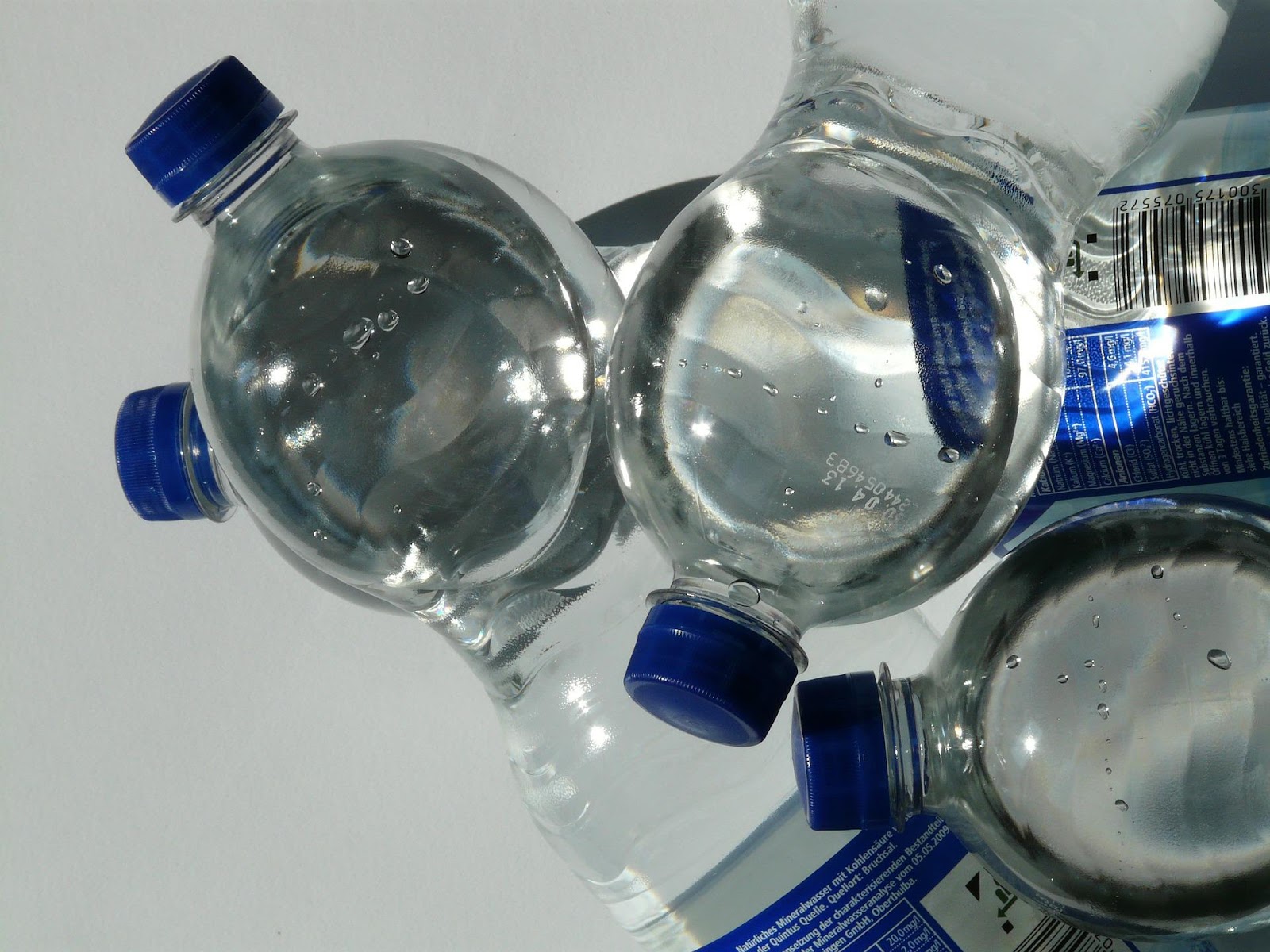
Does (store purchased) bottled water go bad?
If that's a question that you've asked yourself, here's your answer. Technically, it isn't the water that goes bad, because water itself doesn't have any type of expiratory. However, the plastic bottles that it's stored in leach chemicals into the water, and over time the plastic begins to break down. The United States Food and Drug Administration only recommends a shelf life of two years for still water and one year for sparkling water.
Note:
It's so crucial to be prepared for the worst type of scenario, and it's very possible that, due to the extreme heat that's occurring this summer, many people may lose their power. In extreme heat, you'll need extra drinking water. So please take care of yourselves and make sure that you have enough water stored to stay hydrated.
Resources:
The Quest for Hydration (2005). WebMD. https://www.webmd.com/food-recipes/features/quest-for-hydration#:~:text="We%20were%20at%20the%20point,last%20five%20or%20six%20days."
Emergency Disinfection of Drinking Water | US EPA. (2021, December 9). US EPA. https://www.epa.gov/ground-water-and-drinking-water/emergency-disinfection-drinking-water
Silver, N. (2018, January 16). How Long Can You Live Without Water? Effects of Dehydration. Healthline. https://www.healthline.com/health/food-nutrition/how-long-can-you-live-without-water#food-intake
Heart Water - Does Bottled Water Go Bad?: Water Expiration Dates. (n.d.). Heart Water®. https://drinkheartwater.com/blog/does-bottled-water-go-bad#:~:text=The%20recommended%20shelf%20life%20is,one%20year%20for%20sparkling%20water.
Creating & Storing an Emergency Water Supply. (2021, January 26). Centers for Disease Control and Prevention. https://www.cdc.gov/healthywater/emergency/creating-storing-emergency-water-supply.html

© 2025 Olden Oasis
oldenoasis.blogspot.com