Honeysuckle sun tea

Honeysuckle sun tea

Honeysuckle tea is as sweet as honeysuckle on the vine. If you like sweet tea, then you're going to love honeysuckle tea.

Today I will be showing you how I make homemade honeysuckle sun tea in a sun jar. For my recipe, I don't add any Splenda or sugar because the honeysuckle is naturally sweet. 

This tea takes all day to make, so it's something you should begin making early in the morning.

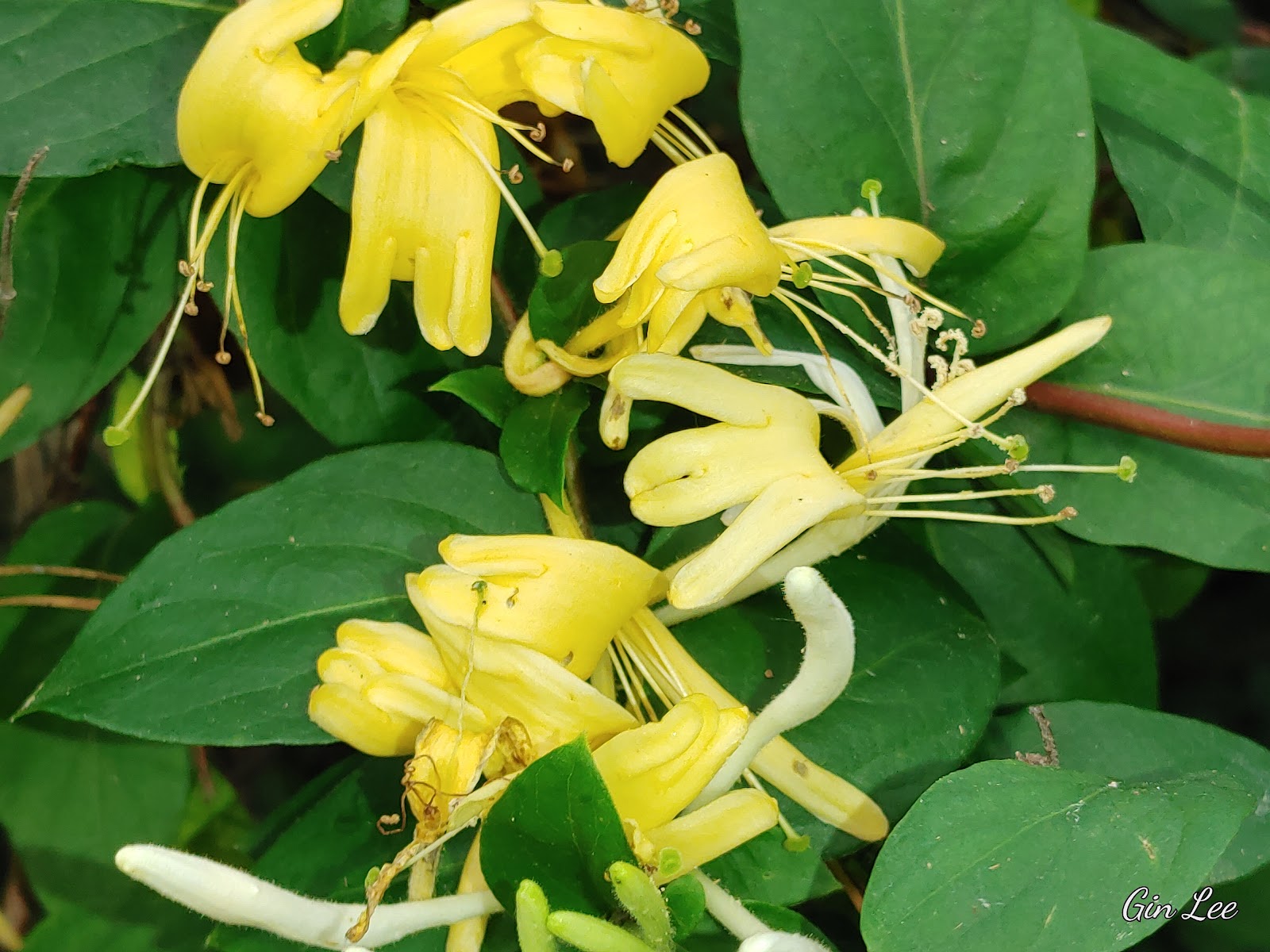
When you pick the blossoms for honeysuckle tea, do so without picking any of the green leaves or stems. The rest of the plant may be toxic to consume. The variety I am using is the yellow and white Japanese honeysuckle (Lonicera japonica).
Honeysuckle sun tea

Ingredients:

  • 3 cups of honeysuckle blossoms

  • 3 ½ cups of hot water


1 sun jar is also needed to make this recipe. However, if you don't have a sun jar, this recipe can be made inside on the stovetop. Just steep the honeysuckle blossoms in the hot water. 


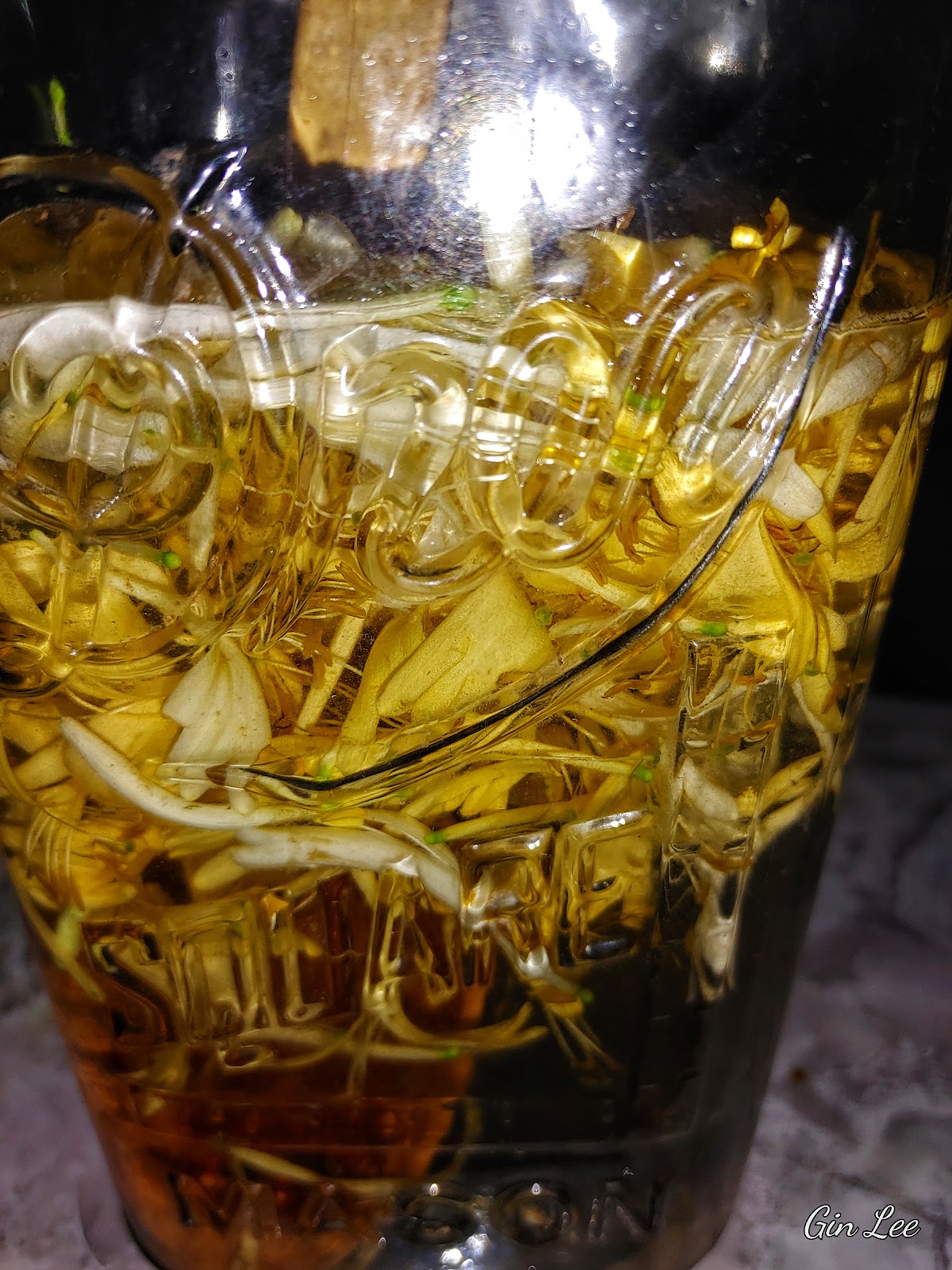
The jar that I prefer using for making honeysuckle tea is in a vintage half gallon square Drey jar. However, if interested, you can purchase solar sun jars for sun tea.
Instructions:

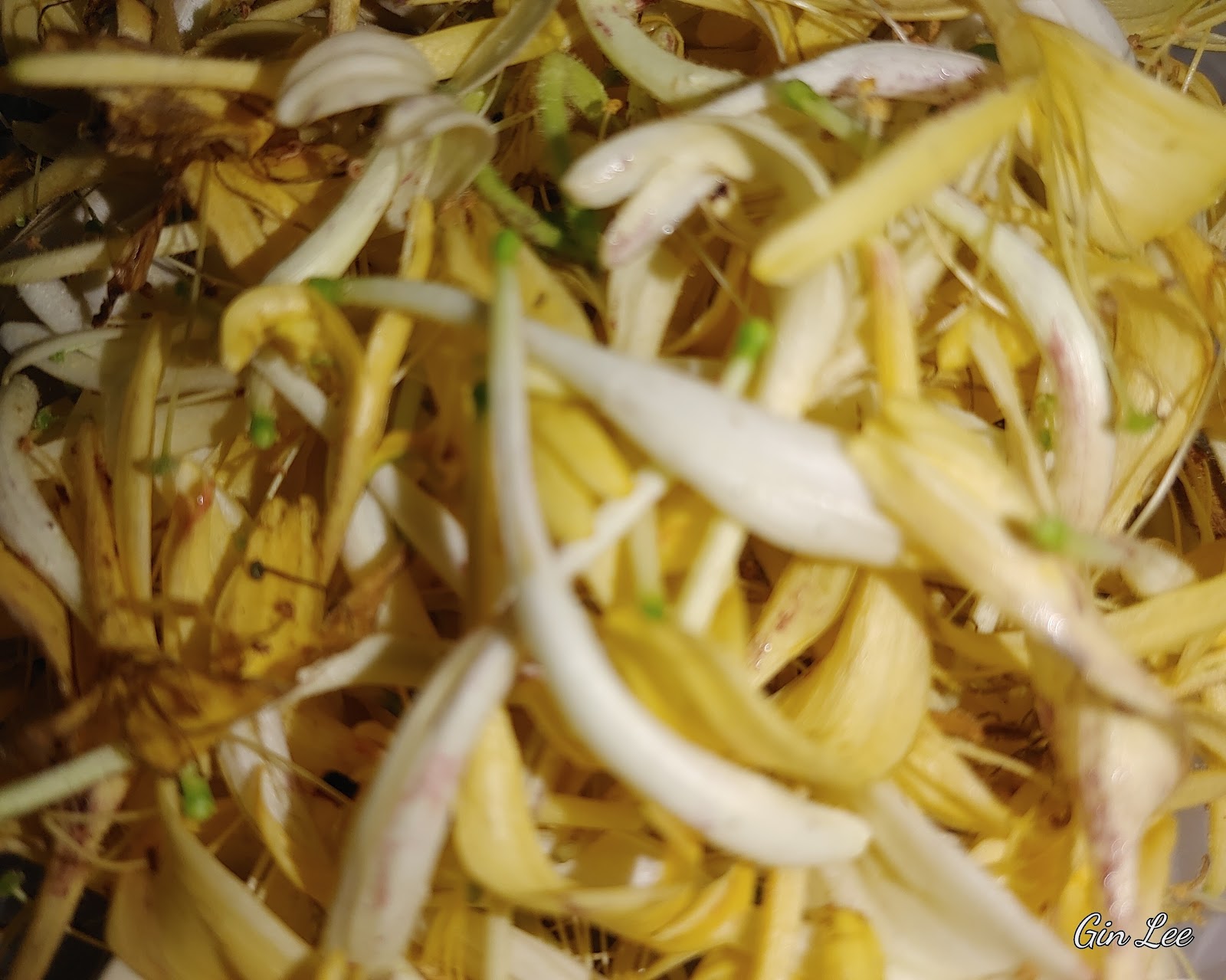
First, go outside and pick some honeysuckle blossoms. Remember that you should always rinse the blossoms off to wash off any bugs and other pollutants before making the tea.


In a tea kettle, add the water and bring it to a boil.


Add the blossoms to a sun jar, pour the hot water over the blossoms, place the lid on the jar. Now set the jar outside in the sun.


After a couple of hours have passed, stir the mixture or give the jar a good shake. Place the lid back on the jar and allow the honeysuckle to steep for the rest of the day.


Once the sun has gone down, bring the honeysuckle tea inside. Open the jar and stir the blossoms around in the liquid one last time. Then taste. If the tea is strong enough and sweet to your preference, remove the blossoms with a slotted spoon. 


Otherwise, if the tea isn't as strong and sweet as you prefer, the honeysuckle blossoms can stay in the sun jar overnight. 


Place the jar inside the refrigerator to allow the tea to become chilled. Serve over ice cubes and enjoy!

Notes:

I don't add any type of sweetener to my honeysuckle tea because in my opinion it doesn't need it. However, your preferences may be different from that of mine. Add sweetener if it's what you desire.


Women who are pregnant, or trying to conceive, and or are lactating should not drink this Japanese honeysuckle tea. 

Resources:

Healthy Immune Support with Honeysuckle Tea (Lonicera Japonica) - Bravo Tea. (2022). Retrieved 19 May 2022, from https://www.bravotea.com/healthy-immune-support-with-honeysuckle/


Martinez Centelles, V. (2022). Honeysuckle toxicity. Retrieved 19 May 2022, from https://www.botanical-online.com/en/medicinal-plants/honeysuckle-toxicity


Cochran, A. (2022). Is Honeysuckle Poisonous?. Retrieved 19 May 2022, from https://homeguides.sfgate.com/honeysuckle-poisonious-57584.html


Scott, C. (2022). Medicinal Plant: Japanese Honeysuckle. Mason.gmu.edu. Retrieved 19 May 2022, from http://mason.gmu.edu/~cscottm/plants.html.


© 2025 Olden Oasis

oldenoasis.blogspot.com


Popular posts from this blog

How to Grow Lentils in Hydroponic Trays

How to Grow Lentils in Hydroponic Trays Introduction Lentils are a nutritious and delicious legume that can easily be grown in hydroponic trays. Hydroponic gardening is a method of growing plants without soil, using nutrient-rich water instead. In this article, we will discuss the steps on how to grow lentils in hydroponic trays with nutrient solution and without it using only water. Materials Needed To grow lentils in hydroponic trays, you will need the following materials: Hydroponic trays Hydroponic trays that will hold the lentils and nutrient solution. Lentil seeds Make sure to use high-quality lentil seeds for the best results. Nutrient solution A mix of water and nutrient solution that will feed the lentil plants. Grow lights Since lentils need plenty of light to grow, you will need grow lights if you don't have access to natural sunlight. Steps to Grow Lentils Step 1: Prepare the Hydroponic Tray Fill the hydroponic tray with the nutrient solution according to the instru...

Introduction to Holiday Flock Blocks Made With Applesauce

Holiday Flock Blocks Made With Applesauce Welcome to my guide on creating delicious and nutritious Holiday Flock Blocks made with applesauce! Designed to provide your flock with a festive and healthy treat, these homemade blocks are packed with the goodness of applesauce and can be customized with various flavors and ingredients. In this article, we will explore the benefits of using applesauce in flock blocks, provide a step-by-step guide on how to make them, suggest creative variations and flavor combinations, offer tips on storing and presenting the blocks, discuss the health benefits for your flock, address common questions and troubleshooting, and conclude with our final thoughts. Let's dive in and create some delightful treats for your feathered friends this holiday season! Introduction to Holiday Flock Blocks Made With Applesauce What are Holiday Flock Blocks? Holiday flock blocks are a fun and nutritious treat for your feathered friends during the festive season. These hand...

Rendering Lard: A Sizzle of Tradition and Flavor

Rendering Lard: A Sizzle of Tradition and Flavor In light of rising prices, allow me to demonstrate how you can save money on cooking oil by creating your own lard at home. Rendering lard, the process of melting down and purifying pork fat to create a versatile cooking ingredient, has a rich history deeply rooted in culinary traditions around the world. While lard fell out of favor for a period, it is experiencing a resurgence due to its unique flavor profile and various benefits in cooking. My article today explores the art of rendering lard, from understanding its origins to selecting the right fats, different rendering methods, storage techniques, culinary uses, and essential tips for achieving optimal results. Historical Significance of Lard Lard holds a prestigious place in culinary history, being a key ingredient in traditional recipes across various cultures. It was prized for its versatility and ability to enhance the taste of dishes. Benefits of Rendering Lard Contrary to popu...