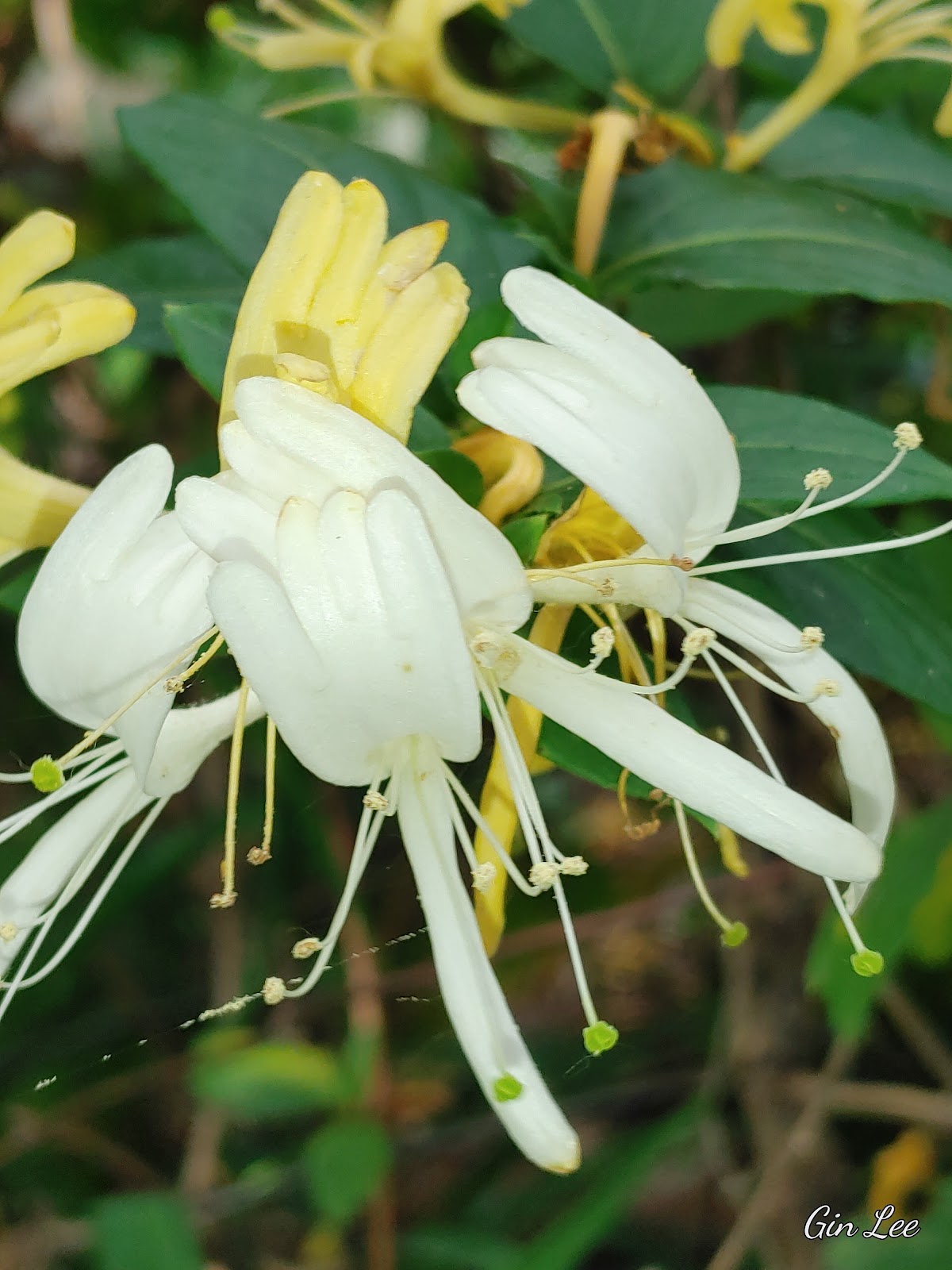
Growing honeysuckle and its uses
Honeysuckle can be found in a variety of locations and there are around two hundred different varieties of it. The plant has a perennial woody vine and is easy to grow; however, it needs to be pruned often.
I have Japanese honeysuckle (Lonicera japonica) growing as a privacy fence and also on trellises in my yard. In my honest opinion, I don't believe there's anything that can compare to the sweet subtle fragrance of it.
Besides the fact that it has a beautiful fragrance, Japanese honeysuckle is also used as a medicinal plant.
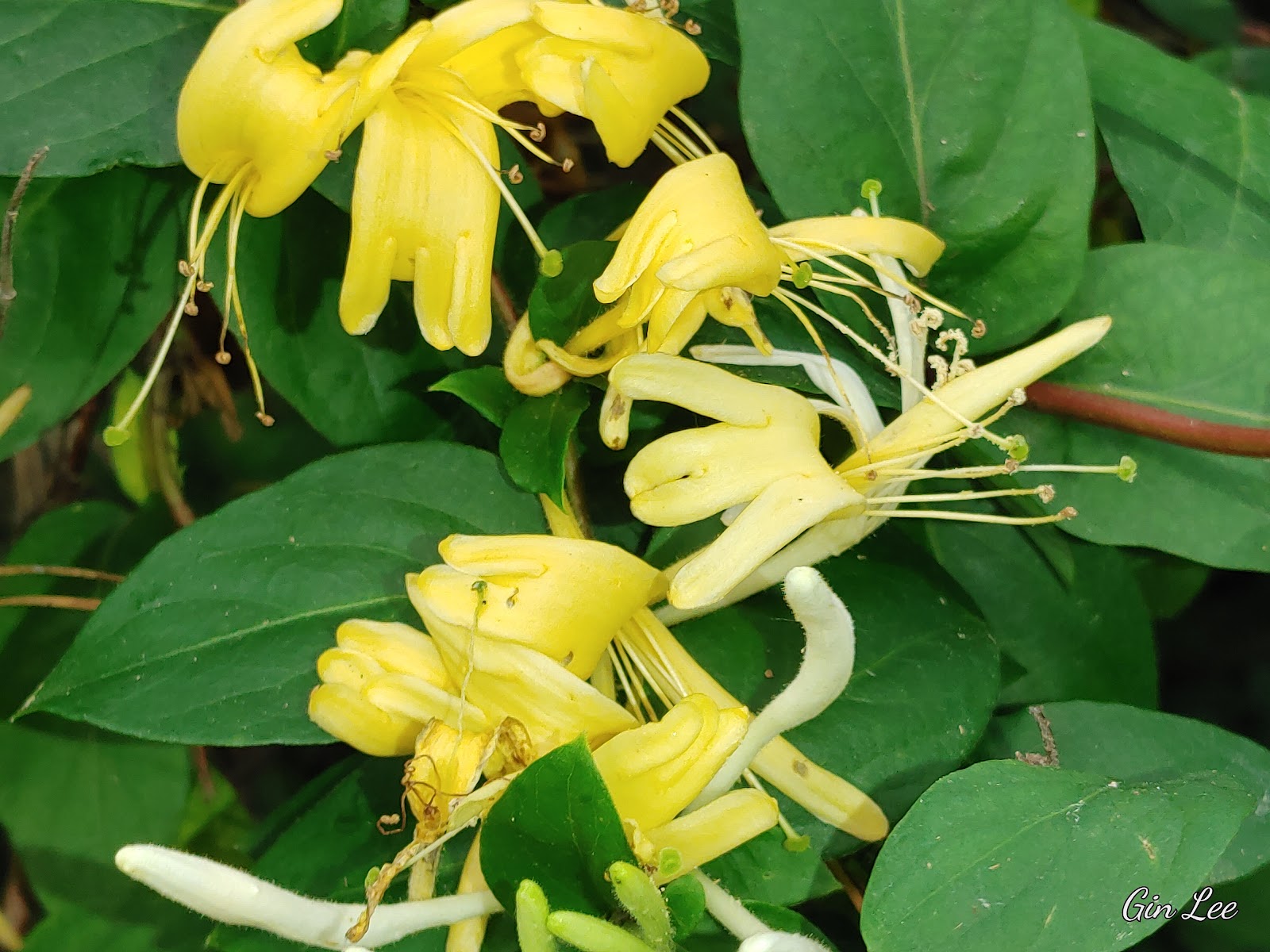
How to grow honeysuckle
Honeysuckle prefers to be grown in sunny locations, but the woody vines will do well in partially shaded areas too. The plant also seems to have a heat tolerance, because it grows quite well in the state of Arkansas. The best time to plant honeysuckle is in the spring and fall seasons. It can be grown in planting zones 4-9.
Honeysuckle needs to be planted in well-drained soil. My soil is a rich mixture, with zillions of earthworms and huge night-crawlers that like to creep out on top of the ground late at night. However, that's a totally different story for maybe another time.
Plant the honeysuckle roots at least three to six feet apart, dig a hole with a shovel as big as the depth and size of the root ball, or about ⅛ inch in depth for seeds. Plant alongside fencing, trellises, and or other structures because the vines need something sturdy to climb and wrap their vines around.
I use pine needles to cover the soil around the honeysuckle as a mulch, but you can use tree bark, wood shavings, cedar chips, etc. Water regularly and add fertilizer about once or twice a year.
The many uses of honeysuckle
Honeysuckle has been used throughout the years to help treat itchy skin, kill germs, treat cancerous tumors as well as other types of cancer, it's also used for birth control, bladder and urinary disorders, rheumatoid arthritis, indigestion, bacterial and viral infections, to help improve memory functions, lower sugar diabetes levels, treat the common cold and flu, along with many other medical conditions and even treating hot flashes.
Honeysuckle isn't just used for medicinal purposes its essential oil can also be mixed with water in a spray bottle and be used for cleaning bacteria/germs on surfaces such as countertops, toilets, sinks, and doorknobs, etc.
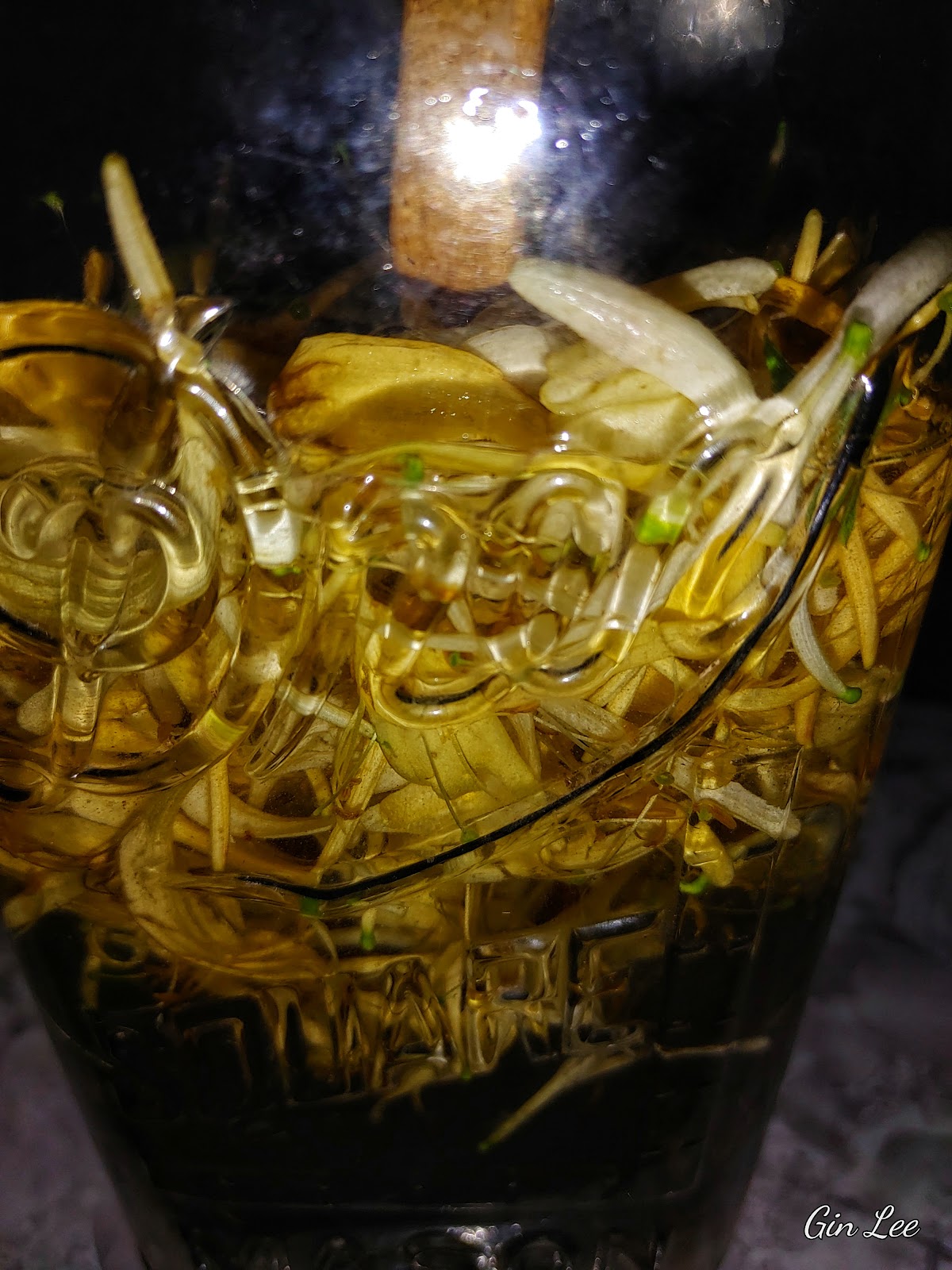
Honeysuckle blossoms can also be steeped in hot water to make a delicious and refreshing sweet tea. To get my tea recipe, you can read my article on making homemade honeysuckle sun tea.
Other uses for honeysuckle:
Are you interested in making more things with honeysuckle? Try making honeysuckle jelly, honeysuckle wine, honeysuckle simple syrup, and honeysuckle sorbet.
Resources:
Martinez Centelles, V. (2022). Honeysuckle toxicity. Retrieved 19 May 2022, from https://www.botanical-online.com/en/medicinal-plants/honeysuckle-toxicity
Cochran, A. (2022). Is Honeysuckle Poisonous?. Retrieved 19 May 2022, from https://homeguides.sfgate.com/honeysuckle-poisonious-57584.html
Scott, C. (2022). Medicinal Plant: Japanese Honeysuckle. Mason.gmu.edu. Retrieved 19 May 2022, from http://mason.gmu.edu/~cscottm/plants.html.
Healthy Immune Support with Honeysuckle Tea (Lonicera Japonica) - Bravo Tea. (2022). Retrieved 19 May 2022, from https://www.bravotea.com/healthy-immune-support-with-honeysuckle/
Oils, E., Oils, S., Uses, H., & Lawson, C. (2022). Honeysuckle Essential Oil Benefits and Uses. Retrieved 19 May 2022, from https://www.wellnessaromas.com/honeysuckle-essential-oil/#6_Major_Benefits_and_Uses_of_Honeysuckle_Essential_Oil

© 2025 Olden Oasis
oldenoasis.blogspot.com