Food Preserving Off-Grid Method For Air Dehydrating Produce
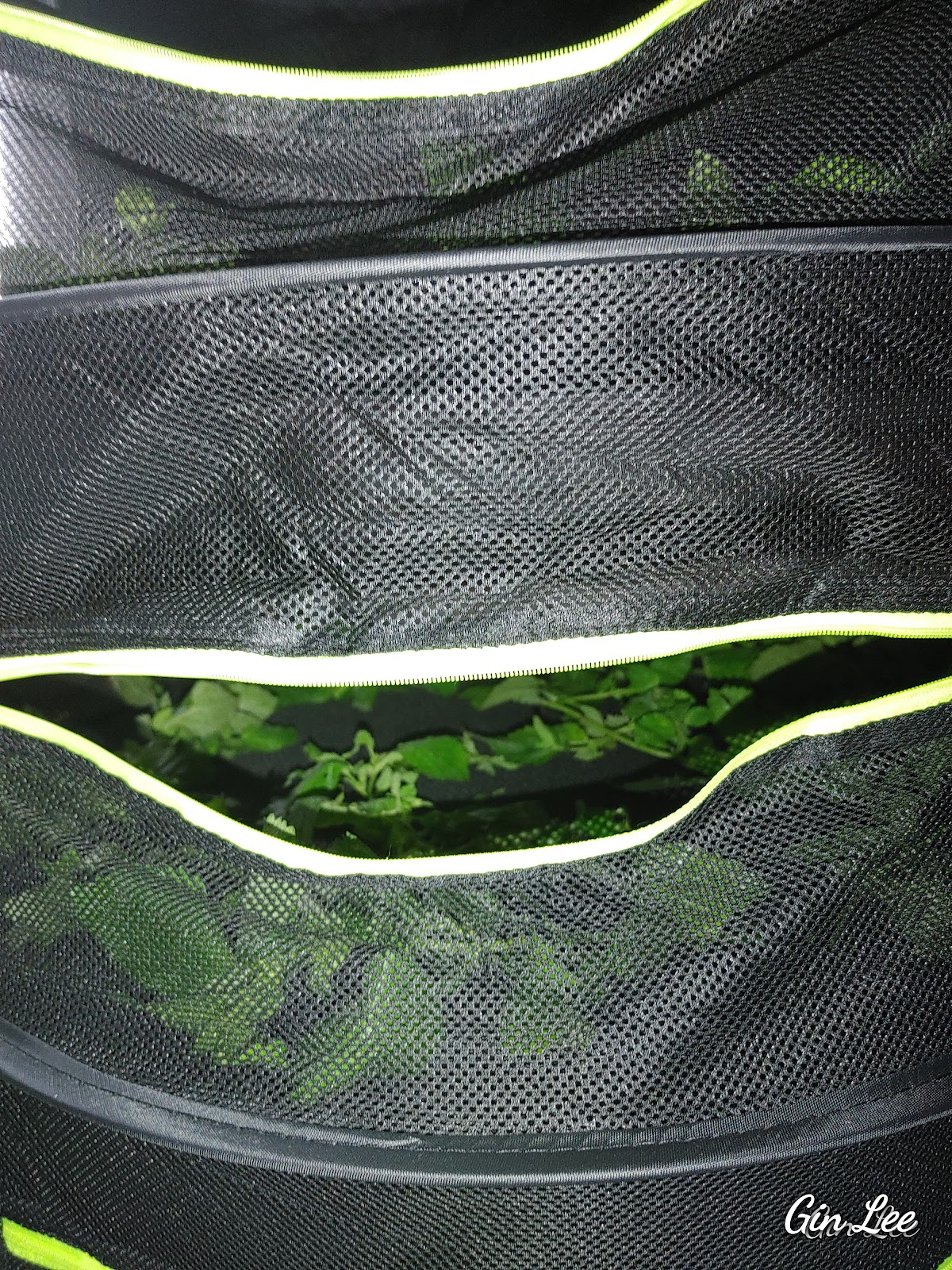
Although I own different types of electric dehydrators, at the present time I am using a huge 8-tier hanging mesh air dehydrator to dehydrate over 10 heads of cabbage and 8 pounds of jalapeno peppers.
Several weeks ago, I started out using my electric dehydrators, but it was taking me forever to dry the cabbage that way. The trays weren't big enough for the amount of cabbage and peppers that I had to dehydrate. Plus, it was also heating the inside of my house during triple-digit temperatures, and the electric dehydrators were using a ton of excess energy.
The mesh dehydrator doesn't heat up my home, nor does it use electricity. In fact, it takes up no indoor space at all. That's because it's hung up outdoors in a shaded location where it receives an ample amount of fresh air, and it's also underneath a roof. So should there be a downpour, the food will still be safe and not spoil.
The mesh air dehydrator that I prefer using has each tray area completely sealed off with zipper closures. The material is made out of heavy-duty mesh and has ultra fine holes, which allows plenty of air to go through it, but zero bugs can. So it keeps whatever I am dehydrating safe and bug free.
Considering humidity and the hours of sunlight that your location receives during the day is important when it comes to preserving food using hanging mesh air dehydrators, drying racks, and drying screens. But I have found that some foods lose their flavor if they're out directly under the scorching sun. So I prefer to use the wind to my advantage. (Air dehydrating food underneath a breezeway is perfect.)
Air-dehydrating food in shaded areas can be an efficient, cost-effective, and health-friendly choice. Plus, if it's windy, your food will dry a lot faster because wind plays a crucial role in food dehydration.
How do you air-dry food in the winter without having to use electricity?
Using any off-grid method to dehydrate food is fairly simple, regardless of what season it is. Below are six different but effective ways to dehydrate food without using electricity.
Hang a mesh air dehydrator indoors and use a small USB fan with a USB solar panel to power it. Turn on the fan and face it towards the air dehydrator. Of course, you can use a regular fan, or a heater fan, but that kind of defeats the purpose of using zero electricity.
Place the food on trays and place them on the back dash of your car. The sun will do all the work for you free of charge!
Place your food and herbs on dehydrating screens near a heat source inside your home. Dehydrating food near a wood stove works beautifully.
Using an outdoor solar dehydrator
Using an enclosed porch and wide window frames.
Using a needle and thick thread, string your peppers, beans, etc. Then hang the strings of food up on hooks around in your kitchen, enclosed porch, dining room, etc.
Reasons to consider air-dehydrating food
It requires zero electricity. So, it helps conserve energy, and conserving energy is cheaper for your wallet. So that's cost-efficient.
It's healthy for you. Plus, it's simple to do.
There's no refrigeration involved in storing your food. So again, there's no electricity required.
It requires no canning, which again not only saves on electricity, but also it saves you time and money.
Once your food is finished dehydrating, it will require less space in your home to store it.
When properly vacuum sealed in jars, dehydrated foods will keep up to ten to twenty-five years and some will keep beyond that, depending on the type of food it is.
Food storage is a crucial part of emergency preparedness, and in a bad scenario such as an ice storm, power outages, wartime, etc dehydrated food is safe to eat without having to do much, if anything, to it. Plus, if you're able to grow your own produce and air dehydrate it's purely self-sustainable and you're not having to rely on technology, grocery stores, or anyone else. Self-sufficiency is an awesome thing.

© 2025 Olden Oasis
oldenoasis.blogspot.com