
The Incredible Benefits of Marigolds: Exploring the Health Benefits of Consuming Marigolds
Marigolds are not only beautiful flowers that brighten up any garden, but they also offer a plethora of health benefits when consumed. From boosting immunity to improving digestion, marigolds have been used for centuries for their medicinal properties. In this article, we will delve into the amazing benefits of incorporating marigolds into your diet.
Marigolds are like little powerhouses of vitamins and minerals that are super important for keeping our bodies healthy. These colorful flowers are full of vitamin A, vitamin C, and vitamin E. Vitamin A helps us see well, boosts our immune system, and keeps our skin looking great. Vitamin C is a strong antioxidant that fights off bad stuff in our bodies and helps our immune system stay strong. Vitamin E is another antioxidant that helps keep our skin healthy and supports our immune system.
Marigolds also have minerals like potassium, which helps keep our electrolytes balanced, regulates our blood pressure, and keeps our hearts healthy. They also have a little bit of calcium, iron, and magnesium, which are all important for keeping our bones strong, carrying oxygen around our bodies, and helping with different chemical reactions.
Antioxidants in Marigolds
Marigolds are full of antioxidants, which are like little superheroes that protect our bodies from damage caused by free radicals. One important antioxidant in marigolds is lutein. Lutein is a carotenoid that helps keep our eyes healthy by blocking out harmful blue light and protecting our retinas. It also has anti-inflammatory properties and might even help reduce the risk of age-related macular degeneration.
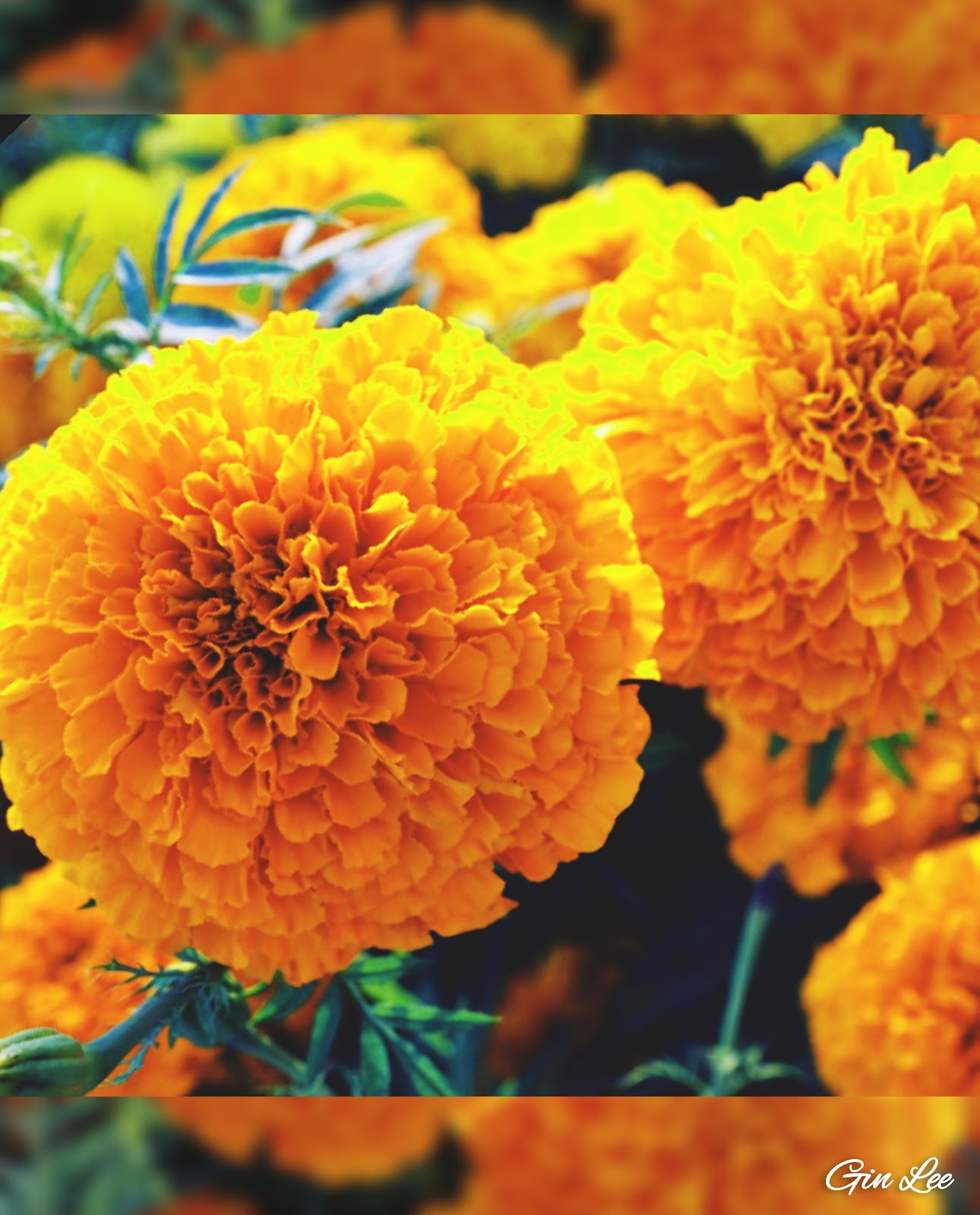
Discovering the Taste of Marigolds
What do marigolds taste like? And what part of the plant is edible?
Have you ever wondered what marigolds taste like? Well, you're in luck because we're about to explore the delicious world of these vibrant flowers! Marigolds have a unique flavor that can be described as slightly citrusy and peppery. Some people even say they have a hint of spice, similar to saffron.
Edible Parts of the Marigold Plant
Now, let's talk about which parts of the marigold plant are edible. The petals are the most commonly consumed part of the plant. They can be used fresh in salads, as a garnish for dishes, or even brewed into tea. The petals can also be dried and used as a spice or food coloring.
It's important to note that not all marigold varieties are edible, so make sure you're using a variety that is safe for consumption. Also, be sure to wash the petals thoroughly before eating them to remove any dirt or pesticides.
Edible marigolds primarily belong to the genus Calendula, specifically Calendula officinalis, commonly known as pot marigold. In addition, hybrids from the genus Tagetes, such as African marigold (Tagetes erecta) and French marigold (Tagetes patula), are also considered edible.
Resources:
Lofgren, K. (2022a) Are marigold flowers edible?, Gardener’s Path. Available at: https://gardenerspath.com/plants/flowers/edible-marigolds/ (Accessed: 12 November 2024).
Tan, S. (2024) Calendula: Health benefits and uses, WebMD. Available at: https://www.webmd.com/vitamins-and-supplements/what-health-benefits-marigold-extract-calendula (Accessed: 12 November 2024).
Viridian Nutrition (2020) The surprising health benefits of marigold, Viridian Nutrition. Available at: https://viridian-nutrition.com/en-us/blogs/nutrition-articles/the-surprising-health-benefits-of-marigold (Accessed: 12 November 2024).

© 2024 Olden Oasis
oldenoasis.blogspot.com