Grow a garden with minimal water!

Grow a garden with minimal water!

Have you ever wondered if you can grow a vegetable garden without watering it? Well, it might sound impossible, but there are actually some plants that can survive with minimal water. Let's explore what vegetable plants you can grow without constantly watering them!

6 Vegetables That Can Survive with Little Water

Swiss chard

A leafy green that's tough and can handle dry conditions. It likes to be in the sun and has soil that drains well.

Eggplant

This veggie is pretty resilient and won't wilt easily. Just make sure to give it enough water so it doesn't taste bitter.

Kale

Kale is a low-maintenance plant that doesn't need a lot of water. Just give it a little extra during really dry spells.

Carrots

Carrots can handle drought, but they might appreciate a good soak every now and then when it's really dry.

Zucchini

Some types of zucchini, like Dark Star, can grow in dry conditions because they have strong roots that can find water deep down.

Tomatoes

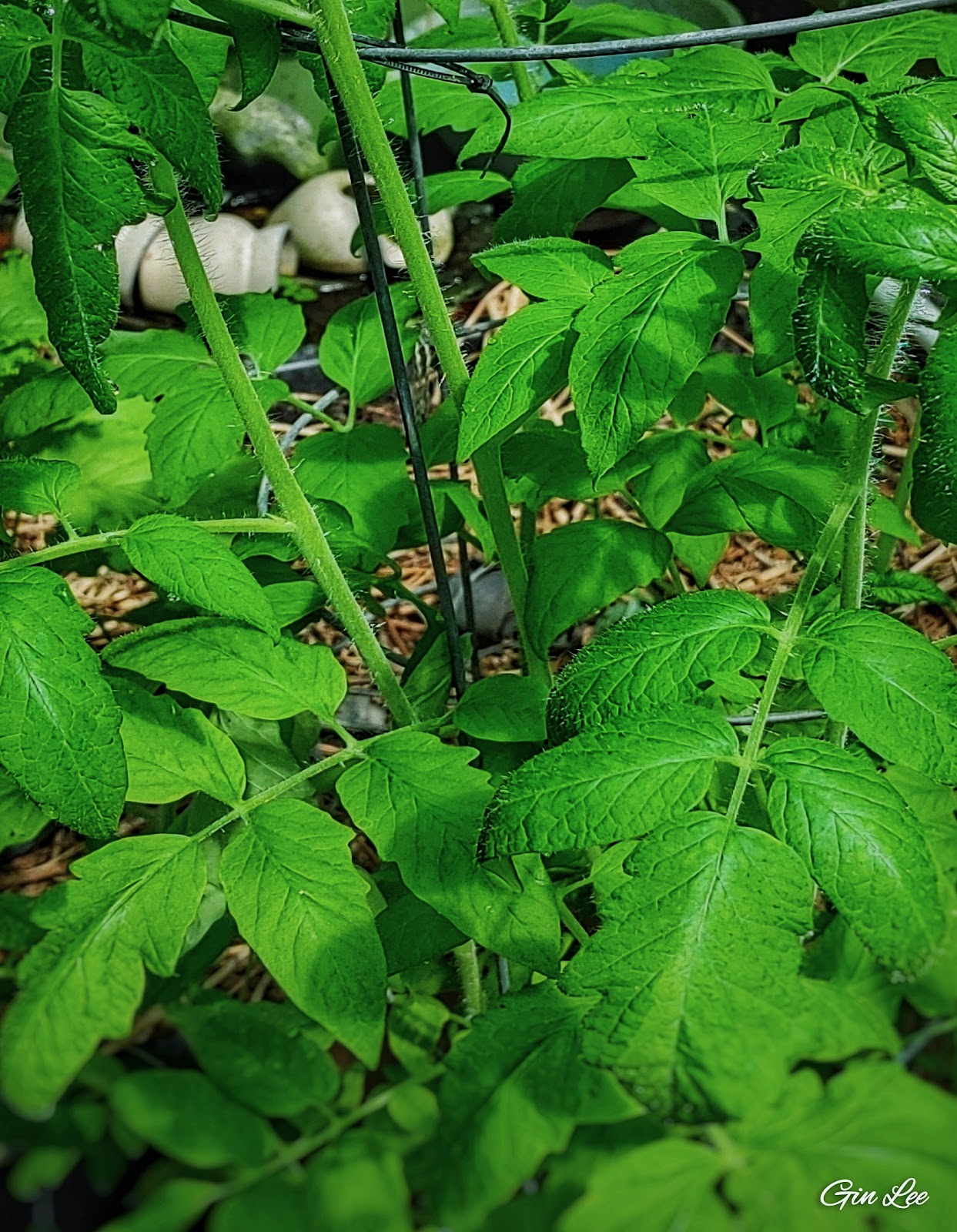
Tomatoes can survive with less water if you give them a good drink early on. Some people even say they do better without much water in the middle of summer.

Other vegetables that can survive without much water include pole beans, Roma tomatoes, hot peppers, Yukon gem potatoes, and okra.

Tips for Growing a Water-Efficient Garden

Even if you choose drought-tolerant plants, it's important to take steps to conserve water in your garden. Here are some tips:

Mulch

Adding a layer of mulch around your plants can help retain moisture in the soil and reduce the need for frequent watering.

Watering Schedule

Water your plants deeply, but less frequently, to encourage deep root growth and reduce water evaporation.

Drip Irrigation

Consider installing a drip irrigation system in your garden to deliver water directly to the roots of your plants, minimizing water waste.

Conclusion

While it may seem challenging to grow a vegetable garden without water, there are definitely options available. By choosing drought-tolerant plants and implementing water-saving techniques, you can enjoy a thriving garden with minimal water usage. Happy gardening!


Popular posts from this blog

How to Grow Lentils in Hydroponic Trays

How to Grow Lentils in Hydroponic Trays Introduction Lentils are a nutritious and delicious legume that can easily be grown in hydroponic trays. Hydroponic gardening is a method of growing plants without soil, using nutrient-rich water instead. In this article, we will discuss the steps on how to grow lentils in hydroponic trays with nutrient solution and without it using only water. Materials Needed To grow lentils in hydroponic trays, you will need the following materials: Hydroponic trays Hydroponic trays that will hold the lentils and nutrient solution. Lentil seeds Make sure to use high-quality lentil seeds for the best results. Nutrient solution A mix of water and nutrient solution that will feed the lentil plants. Grow lights Since lentils need plenty of light to grow, you will need grow lights if you don't have access to natural sunlight. Steps to Grow Lentils Step 1: Prepare the Hydroponic Tray Fill the hydroponic tray with the nutrient solution according to the instru...

Introduction to Holiday Flock Blocks Made With Applesauce

Holiday Flock Blocks Made With Applesauce Welcome to my guide on creating delicious and nutritious Holiday Flock Blocks made with applesauce! Designed to provide your flock with a festive and healthy treat, these homemade blocks are packed with the goodness of applesauce and can be customized with various flavors and ingredients. In this article, we will explore the benefits of using applesauce in flock blocks, provide a step-by-step guide on how to make them, suggest creative variations and flavor combinations, offer tips on storing and presenting the blocks, discuss the health benefits for your flock, address common questions and troubleshooting, and conclude with our final thoughts. Let's dive in and create some delightful treats for your feathered friends this holiday season! Introduction to Holiday Flock Blocks Made With Applesauce What are Holiday Flock Blocks? Holiday flock blocks are a fun and nutritious treat for your feathered friends during the festive season. These hand...

Rendering Lard: A Sizzle of Tradition and Flavor

Rendering Lard: A Sizzle of Tradition and Flavor In light of rising prices, allow me to demonstrate how you can save money on cooking oil by creating your own lard at home. Rendering lard, the process of melting down and purifying pork fat to create a versatile cooking ingredient, has a rich history deeply rooted in culinary traditions around the world. While lard fell out of favor for a period, it is experiencing a resurgence due to its unique flavor profile and various benefits in cooking. My article today explores the art of rendering lard, from understanding its origins to selecting the right fats, different rendering methods, storage techniques, culinary uses, and essential tips for achieving optimal results. Historical Significance of Lard Lard holds a prestigious place in culinary history, being a key ingredient in traditional recipes across various cultures. It was prized for its versatility and ability to enhance the taste of dishes. Benefits of Rendering Lard Contrary to popu...