Pecan shells and their uses

Pecan shells and their uses

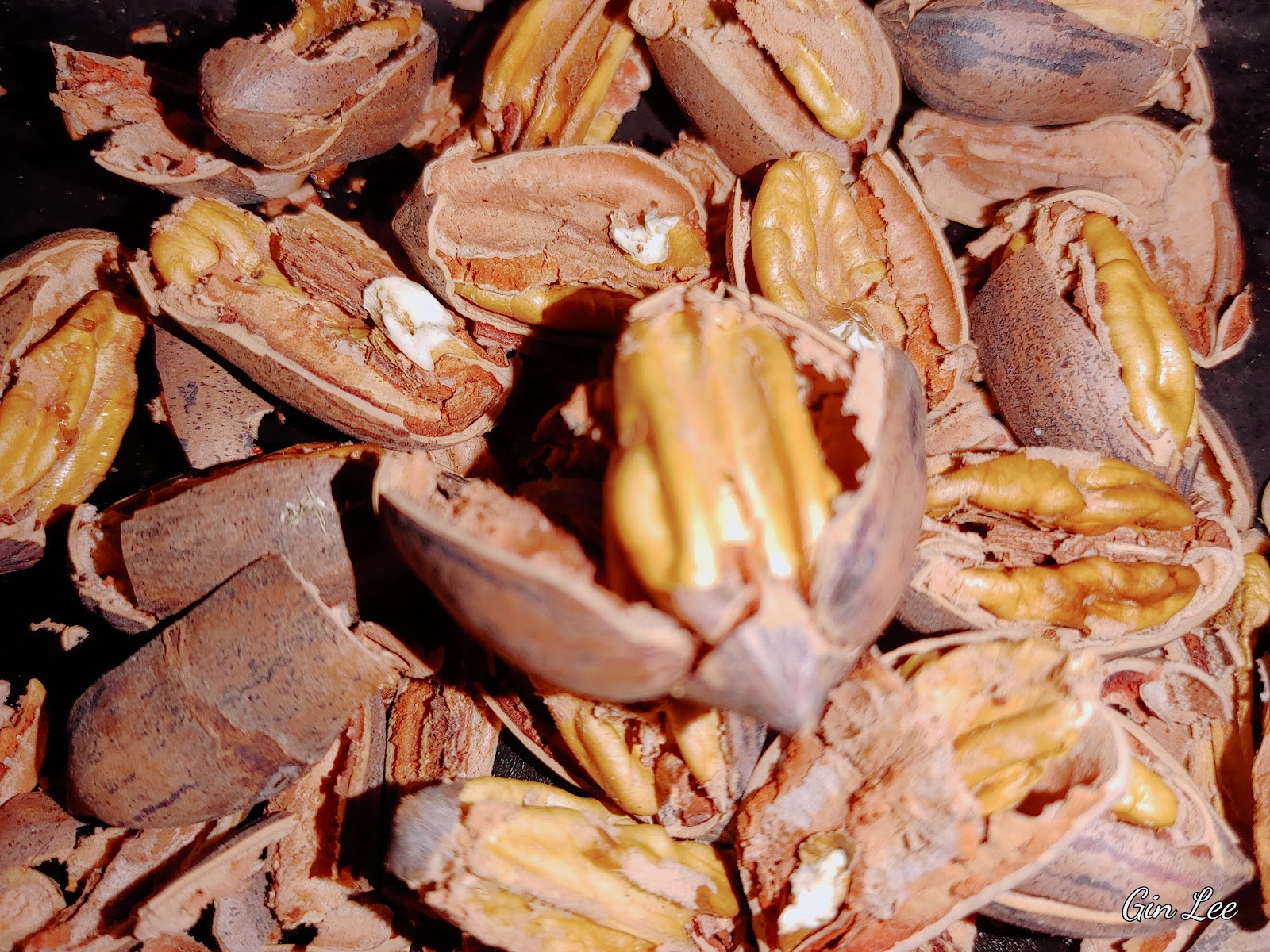
So, if you're shelling your pecans to make pecan pies for the holidays. Save your shells because they make a great nutritional, organic garden mulch. Plus, they have even more uses. Today, I will tell y'all different ways that I use my empty pecan shells.

So, you have sat for several hours shelling out your pecans to make pecan pies and now you're scratching your head wondering if all those empty nut shells can serve you any purpose. Below are a few ways that I put all my pecan shells to good use and hopefully they'll give you some inspiration too!

Garden mulch

Here are three awesome reasons why you should use pecan shells in your outside gardens for an all-natural garden mulch.


  1. Pecan shells help retain moisture in the soil around in flower beds, outdoor vegetable gardens, etc..

  2. They also keep nasty slugs at bay. 

  3. Plus, the shells will deter problematic weeds in your gardens.

Organic fertilizer

This could be placed in the above section with garden mulch, but I am placing it separately as an organic fertilizer, because I use crushed pecan shells in my planted containers inside specifically for that purpose (organic fertilizer). However, they can also be used as an organic fertilizer in outdoor gardens too. And when they're used uncrushed as garden mulch, the pecan shells will eventually break down as fertilizer.


Crush your pecan shells into smaller pieces, then mix them directly into your potting soil mix to make an all-natural organic fertilizer. The shells will also help with water drainage in planted containers.

Fire-starters

On damp wet days it can be difficult to start a fire inside your fireplace, or woodstove. Pecan shells are great fire starters. Plus, the aroma smells really nice while they are burning.

Natural wood smoker chips

Instead of buying apple wood, maple, or mesquite chips for your smoker, use your pecan shells instead. The shells provide an all-natural, mild smokehouse flavor to meat and vegetables. The end results of your smoked food will be awesomely delicious! Plus, pecan shells are actually very nutritious and have antioxidants. So, you'll get added health benefits by using them to cook with.

Beauty purposes

After grinding a handful of pecan shells at a time in a food processor, you'll end up with a thick textured pecan paste. The pecan paste can be used as an ingredient to make various exfoliating bath soaps, body scrubs, foot and facial cleansers.

Crafts

If you're a crafty kinda person, drill small holes inside the broken pecan shells, then use a fishing line, or some other type of string to make organic wind chimes for your front porch, or to tie on tree limbs out in your yard. Use something whimsical, like tree bark, or drift wood to tie the strings of pecan shells onto. Have fun and be creative!


Popular posts from this blog

How to Grow Lentils in Hydroponic Trays

How to Grow Lentils in Hydroponic Trays Introduction Lentils are a nutritious and delicious legume that can easily be grown in hydroponic trays. Hydroponic gardening is a method of growing plants without soil, using nutrient-rich water instead. In this article, we will discuss the steps on how to grow lentils in hydroponic trays with nutrient solution and without it using only water. Materials Needed To grow lentils in hydroponic trays, you will need the following materials: Hydroponic trays Hydroponic trays that will hold the lentils and nutrient solution. Lentil seeds Make sure to use high-quality lentil seeds for the best results. Nutrient solution A mix of water and nutrient solution that will feed the lentil plants. Grow lights Since lentils need plenty of light to grow, you will need grow lights if you don't have access to natural sunlight. Steps to Grow Lentils Step 1: Prepare the Hydroponic Tray Fill the hydroponic tray with the nutrient solution according to the instru...

Introduction to Holiday Flock Blocks Made With Applesauce

Holiday Flock Blocks Made With Applesauce Welcome to my guide on creating delicious and nutritious Holiday Flock Blocks made with applesauce! Designed to provide your flock with a festive and healthy treat, these homemade blocks are packed with the goodness of applesauce and can be customized with various flavors and ingredients. In this article, we will explore the benefits of using applesauce in flock blocks, provide a step-by-step guide on how to make them, suggest creative variations and flavor combinations, offer tips on storing and presenting the blocks, discuss the health benefits for your flock, address common questions and troubleshooting, and conclude with our final thoughts. Let's dive in and create some delightful treats for your feathered friends this holiday season! Introduction to Holiday Flock Blocks Made With Applesauce What are Holiday Flock Blocks? Holiday flock blocks are a fun and nutritious treat for your feathered friends during the festive season. These hand...

Rendering Lard: A Sizzle of Tradition and Flavor

Rendering Lard: A Sizzle of Tradition and Flavor In light of rising prices, allow me to demonstrate how you can save money on cooking oil by creating your own lard at home. Rendering lard, the process of melting down and purifying pork fat to create a versatile cooking ingredient, has a rich history deeply rooted in culinary traditions around the world. While lard fell out of favor for a period, it is experiencing a resurgence due to its unique flavor profile and various benefits in cooking. My article today explores the art of rendering lard, from understanding its origins to selecting the right fats, different rendering methods, storage techniques, culinary uses, and essential tips for achieving optimal results. Historical Significance of Lard Lard holds a prestigious place in culinary history, being a key ingredient in traditional recipes across various cultures. It was prized for its versatility and ability to enhance the taste of dishes. Benefits of Rendering Lard Contrary to popu...