 Foraging for cattail plants
In my area I don't have to travel very far to find cattail plants. In fact, the plant grows very well alongside ponds, lakes, rivers, and even in road-side ditches. Today, I'm going to take you along with me while I show you how I uproot some cattail plants from a country roadside ditch. Plus, I will tell you a little bit about my experience and why I like foraging for these wild, perennial, aquatic plants that are often considered problematic for farmers.
Foraging is a hobby of mine and I love being outside in nature. I enjoy the search like a child enjoying a colorful Easter egg hunt. Foraging can be such a treat, especially if you know what you're looking for.
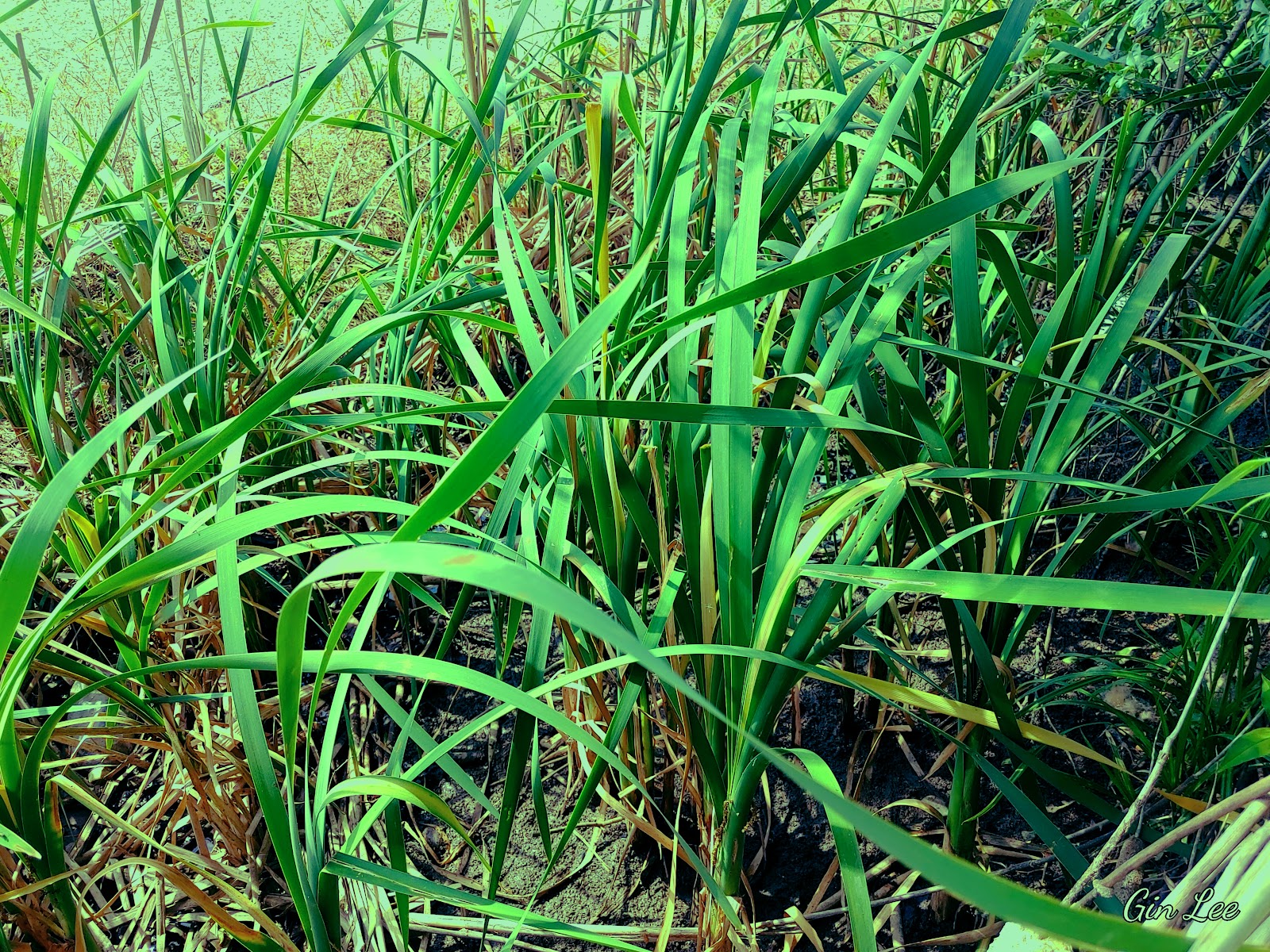
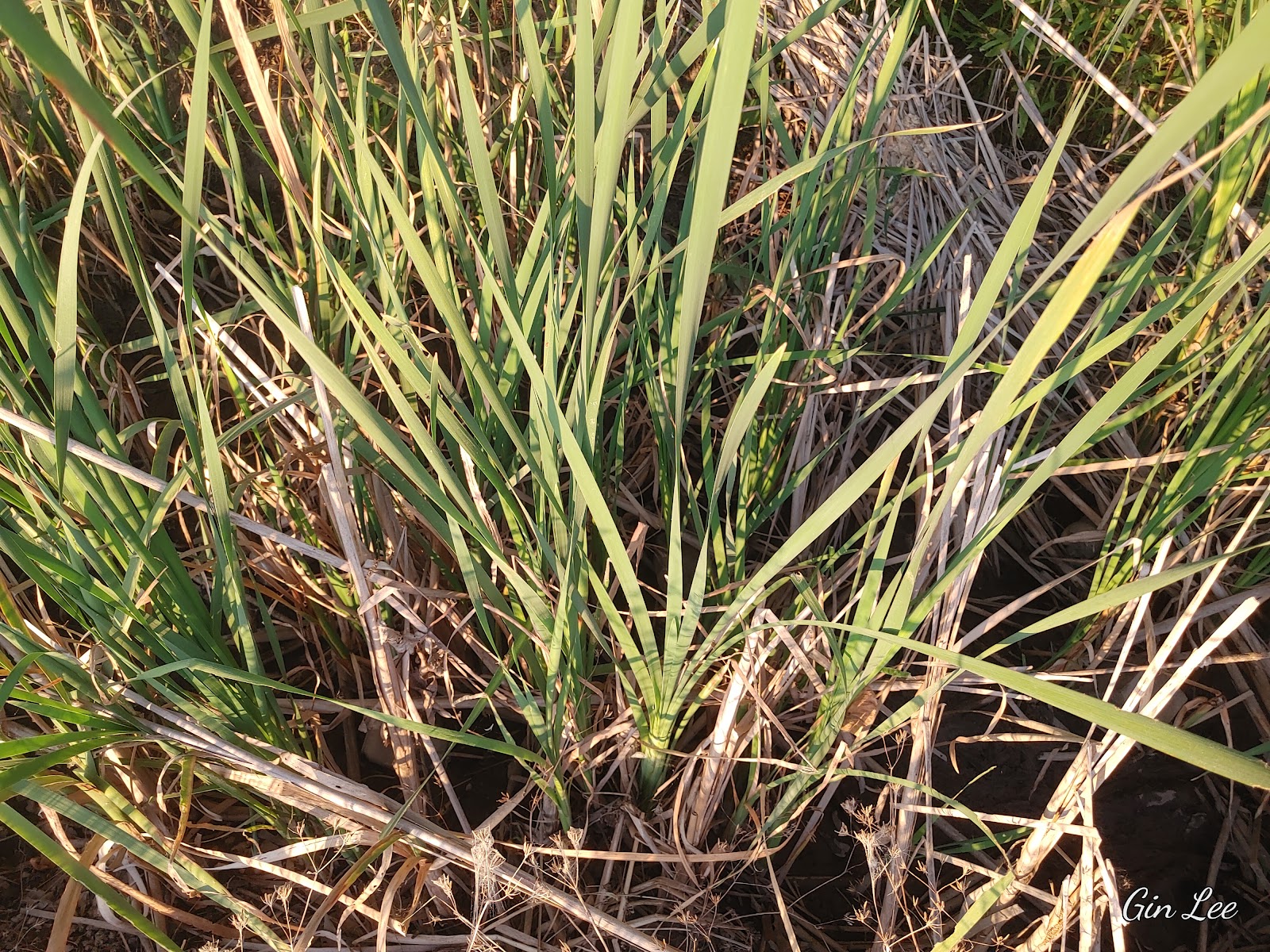
Cattails happen to be really easy to identify. They reach three to four feet in height and sometimes even taller than that. In early spring, they emerge in semi-aquatic areas such as around the edges of ponds, rivers, lakes, and ditches.
Cattail leaves are rather long, spike-like curved swords and are yellowish-green and dark green in color. The plant forms brown colored flower heads in midsummer. To me, the brown spikes resemble a candlestick with a wick, but some people think they look like big brown cigars. The plant's flower heads open up in the fall and show its seeds (fluff). Cattails have long and sturdy stocks, with a medium-sized root.
At this particular time, the cattails haven't yet formed their flower heads; that will be happening soon within the coming weeks. The flower heads can be cut off the plant to be boiled and buttered, or roasted before they begin opening.
Why would you want to eat cattail plants?
Every single part of the cattail plant in its entirety is edible. The plant shoots taste very similar to a cucumber. So, if you like cucumbers more than likely, you'd like to eat cattail shoots too.
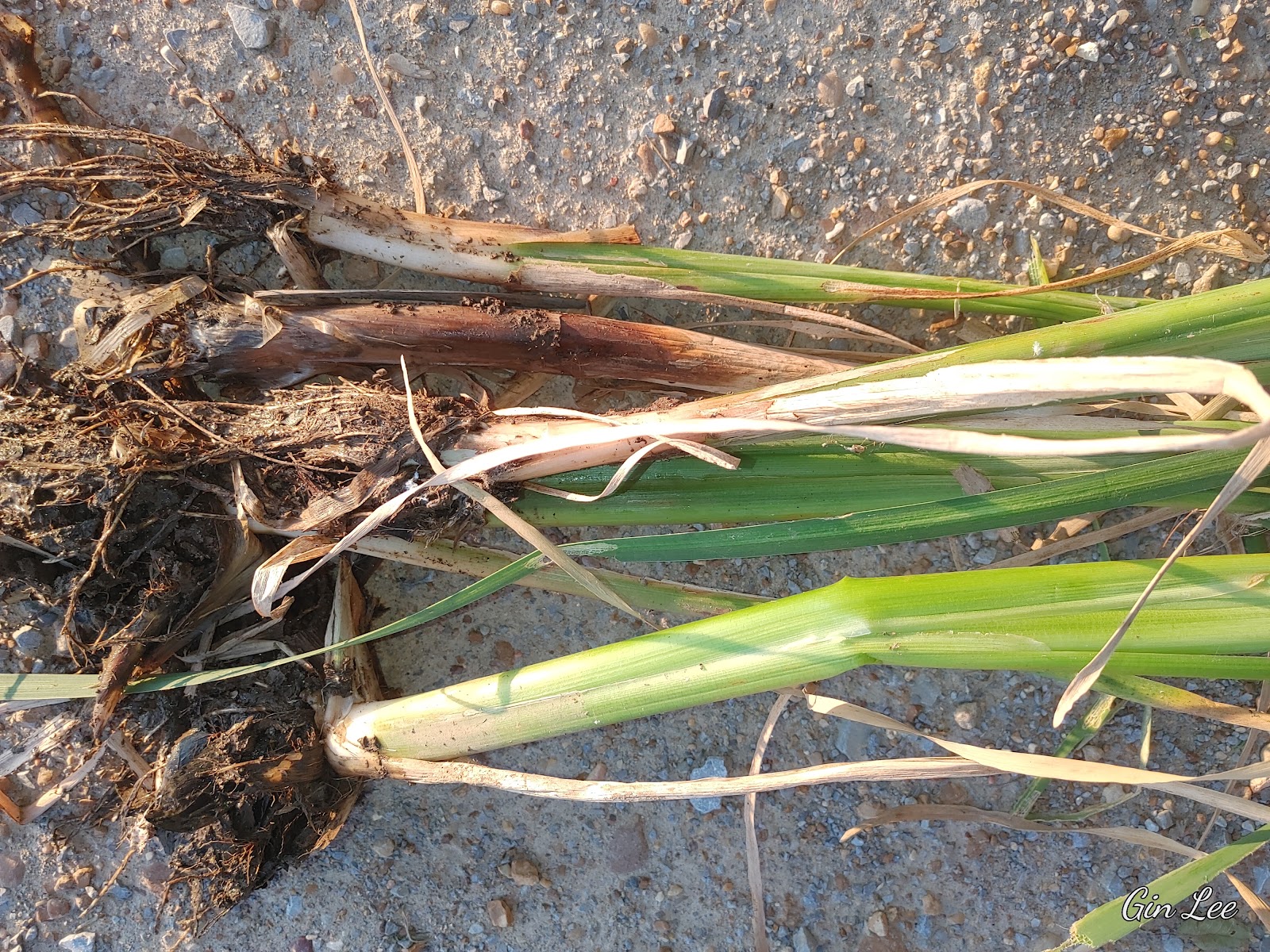
Once the plants grow above three feet in height above the water, uproot them, wash, and peel them. (Always make sure they're washed and cleaned thoroughly before preparing them to eat.)
Cattails are really delicious, chopped up and used in stir-fries, stews, casseroles, or to be cooked, chopped, and added to pasta salads. However, my favorite way to prepare cattails is to actually pickle their white shoots (Cossack asparagus). The shoots can be found underneath the layers of the plant's green leaves. The lower parts of the green leaves can also be eaten and tossed into a salad, soup, or sauté as well, so don't toss them out.
Various parts of the cattails are best harvested at certain times of the year. The flowering heads only happen around mid-summer. However, cattail roots can be harvested all throughout the year, even during the winter.
Should you be interested in harvesting the roots to make homemade flour, I would suggest you wait until the plants mature in late fall and early winter because the roots are bigger then. Before grinding the cattail roots into flour, they first need to be peeled and then dried. (Note: cattail flour is not gluten free.)
Cattails are really nutritional and they contain certain vitamins and minerals, which are: beta carotene, iron, niacin, riboflavin, thiamin, magnesium, manganese, potassium, phosphorus, vitamin B-6, vitamin K, and vitamin C.
Collecting cattail plants
First, always watch for snakes when you're foraging for cattails. I often see snakes swimming around the plants in the water during both spring and summer.
Since we are headed for a drought, this location had very little water for me to wade through to get to the cattail plants. As you can see, a lot of the leaves have turned brown and the plants aren't nearly as big as they usually get this time of year.
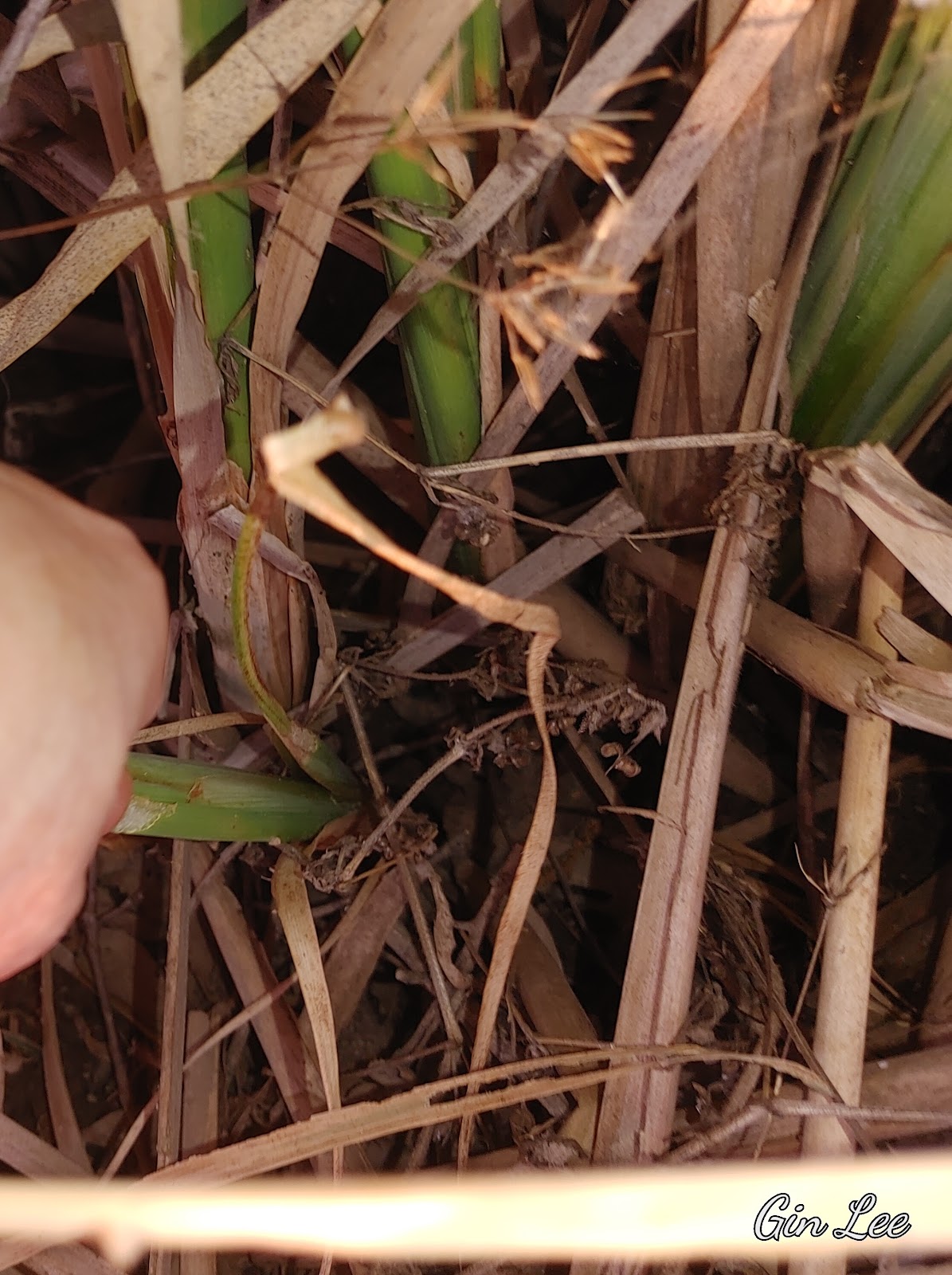
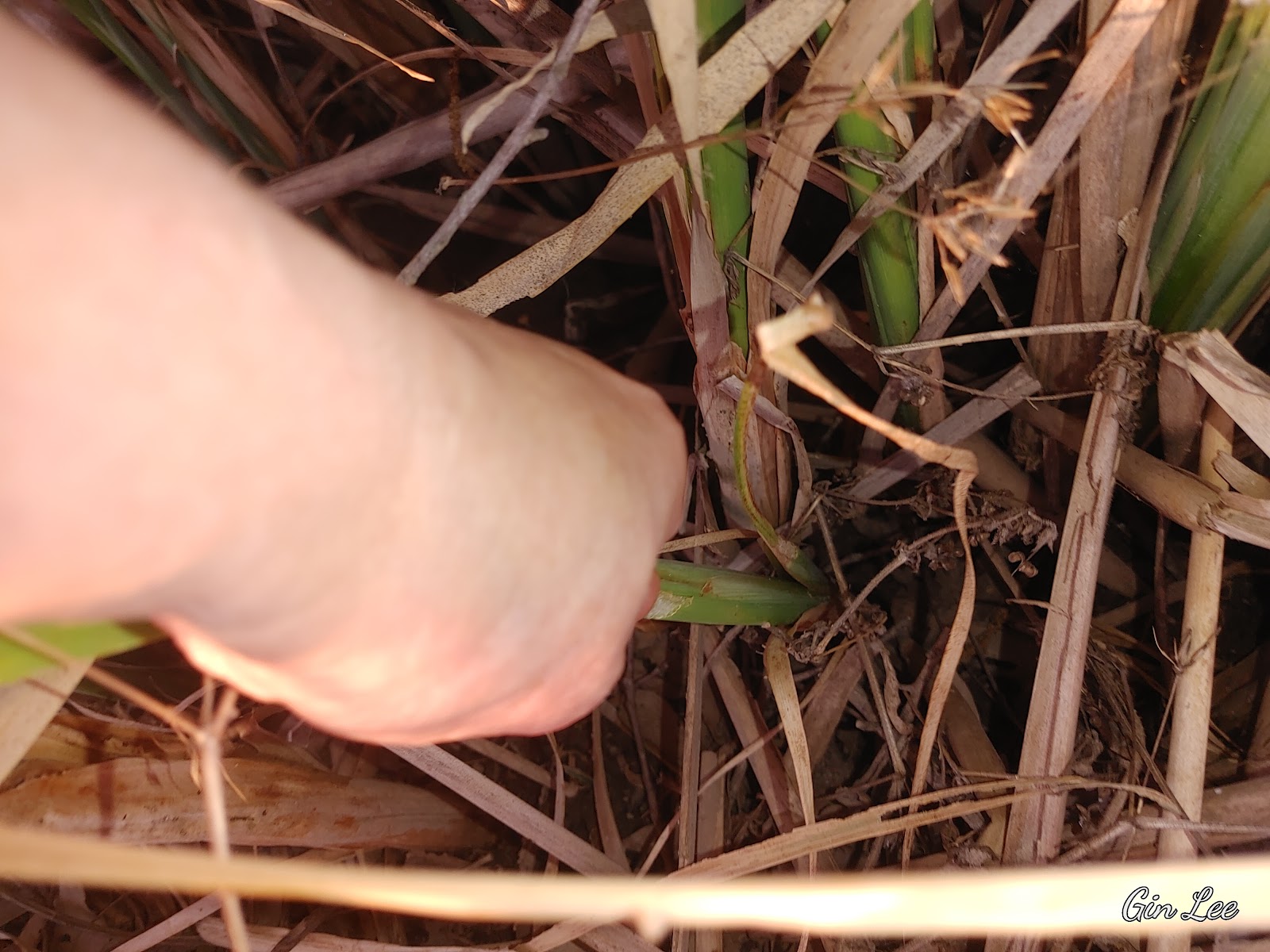
The plants generally are easy to pull up by hand since they're normally grown in standing water. To collect them, grab the inner stalk of the plant low and pull upwards. With a good tug, they should pull straight up without breaking the plant. As y'all can see in the photo above, I am holding the camera and taking photographs all while I am pulling the cattails up out of the ground.
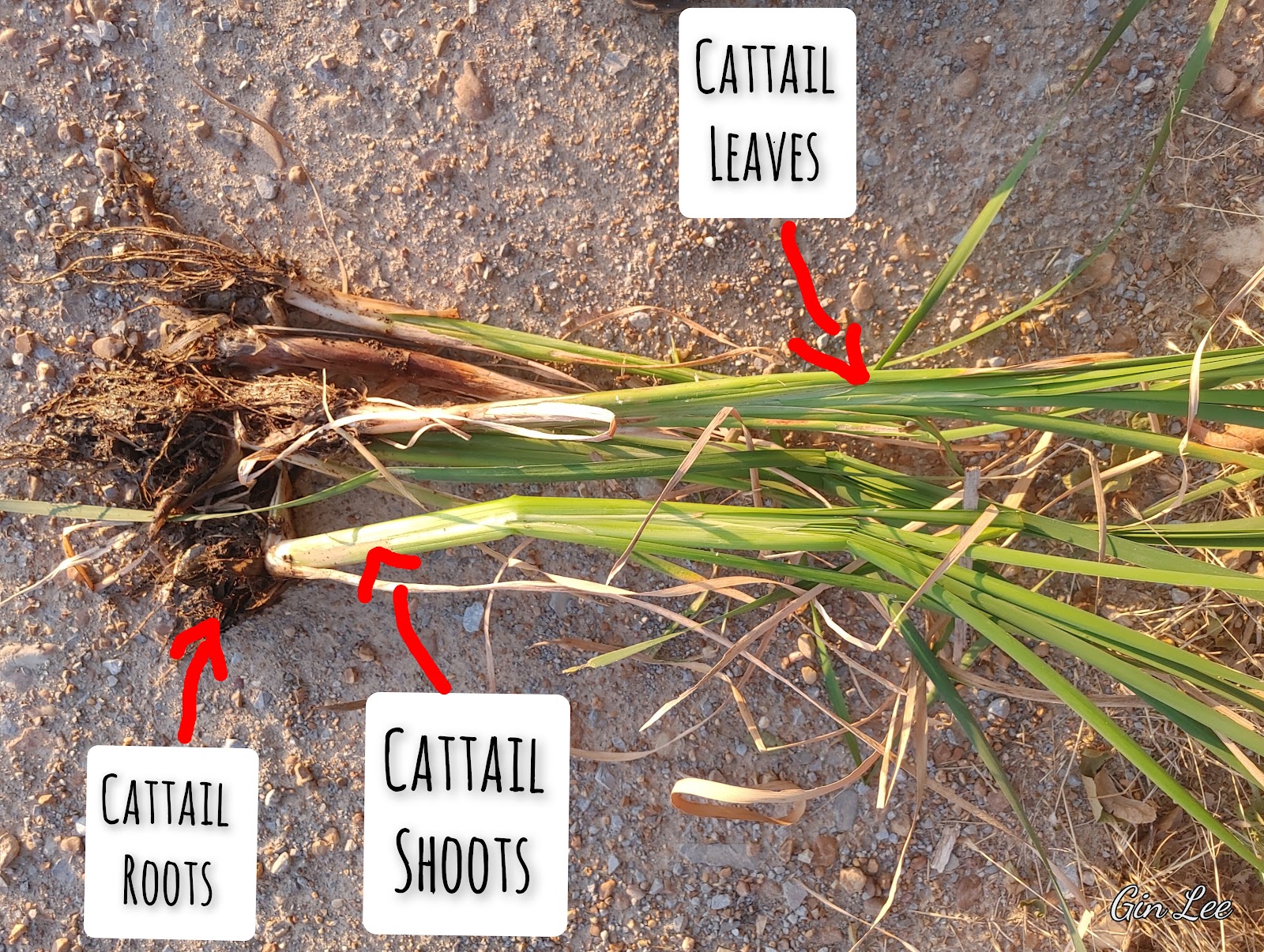
The cattails I have uprooted today are close to being five feet in height. I know this because I am 4 feet, 9 inches tall and the cattails were actually taller than me.
The flowering heads haven't yet emerged from the centers of the plants, yet here at my location.
Note:
Do not harvest cattails to eat if they're in locations where there's a lot of pollution. And remember to always wash and cook each part of the plant thoroughly to avoid water-borne illnesses.
Cattails can also be grown in large pots for outside container gardens. If you're interested in planting them in containers, you'll need to submerge their pots in water about one inch above the rim of the containers. To prevent the plants from spreading, cut off the flower spikes before they open.
Cattails have multiplied in some Arkansas farmers' rice fields over the past few years. So, in some areas, they're considered invasive because they grow rapidly and crowd out other aquatic plant species.
Resources:
Cattail Nutrition. (n.d.). Prospre. https://www.prospre.io/ingredients/cattail-7433