DIY deodorizer and cleaners for household cleaning
If you have pets, more than likely you also have pet odors lurking around inside your home. These DIY deodorizers and cleaners can be used to deodorize floors, walls, pet kennels, bathrooms, kitchens, and more. I even use them to clean up spilt baked on grease. They work great and don't cost much to make.
So, how do these DIY deodorizers and cleaners work?
Hydrogen peroxide is one of the ingredients and it happens to be a natural oxidizer. Another ingredient that is added is baking soda. Baking soda is an all-natural abrasive, and it makes for a great scouring cleaner. It is also often used in households for cleaning, because it is great for deodorizing as well. When these two are mixed with Dawn's original blue dish detergent, the chemical reaction of dish soap, hydrogen peroxide and baking soda will lift off all the toughest stains, neutralizing the musty, smelly odors all in one.
An oxidizer is an all-natural, safe form of bleach. It's awesome to clean stubborn stains. Stains such as those that you might have on your carpet, upholstery, and hard surfaces. However, please be careful when using this on any fabric material, because it can leave bleach spots. Because hydrogen peroxide is also a natural bleach.
DIY cleaner and deodorizer
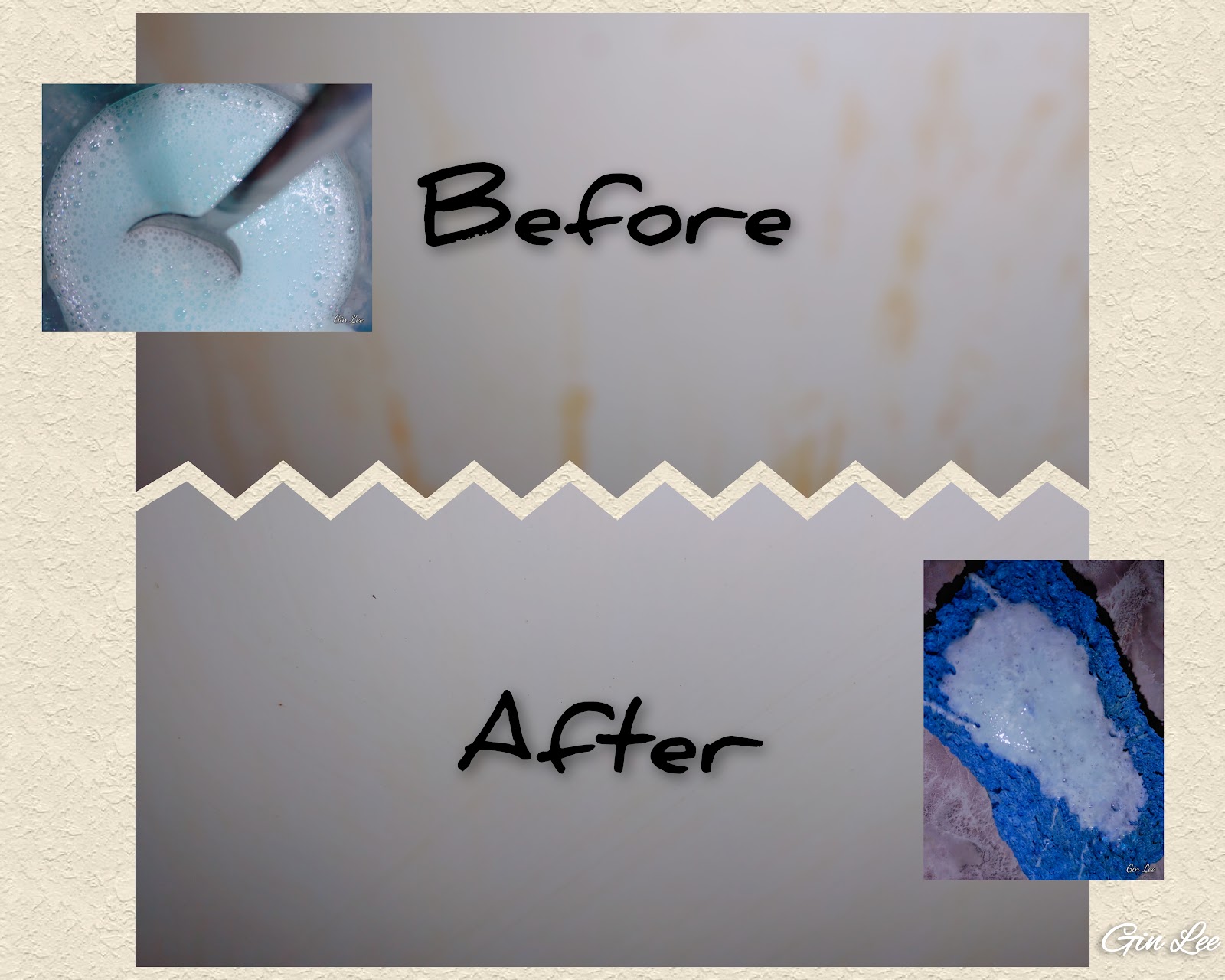
The following is the list you'll need for bigger areas and it works very well for deodorizing pet smells. Be careful when using this product on colored fabrics. The mixture will naturally whiten fabric. It's best to use on hard surfaces, such as porcelain, tile, concrete, and linoleum areas. It can be used on the surfaces of countertops, refrigerators, freezers, ovens, washers, driers, as well as in showers, bathtubs, and toilets. It also works well in dog kennels, pet carriers, and to clean cat litter boxes.
Ingredients:
1 quart of hydrogen peroxide
¼ cup of baking soda
1 tablespoon of original blue Dawn dish detergent
Instructions:
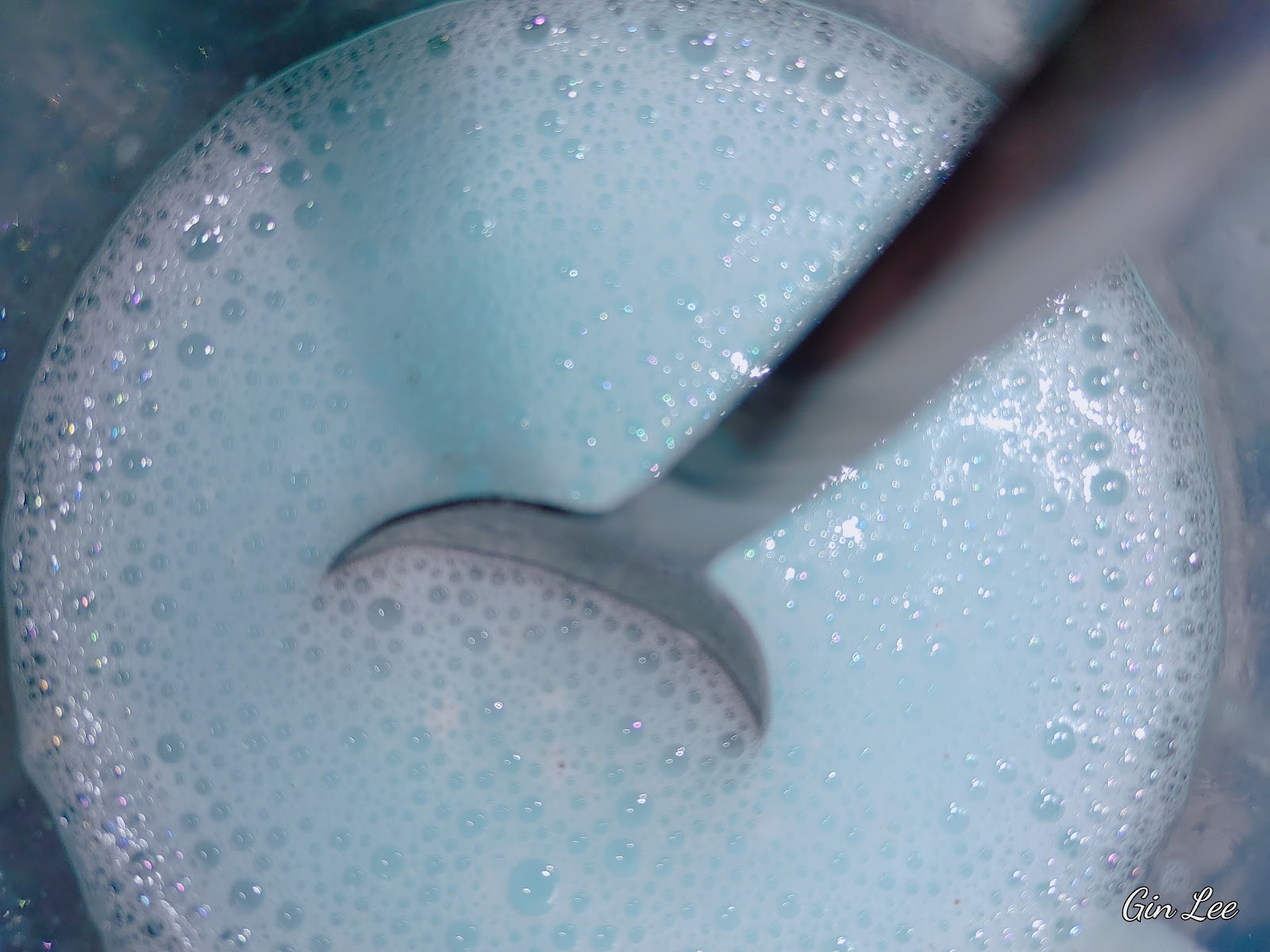
In a cleaning bucket, add the entire quart bottle of hydrogen peroxide. Then add the baking soda and Dawn original blue dish detergent. Stir these ingredients well until they're all incorporated together.
Use a scrub brush, or a cleaning rag and wipe or scrub the areas that need to be deodorized. Allow the mixture to dry, then wipe down the area with a clean cloth.
Deodorizer and cleaning paste for smaller areas
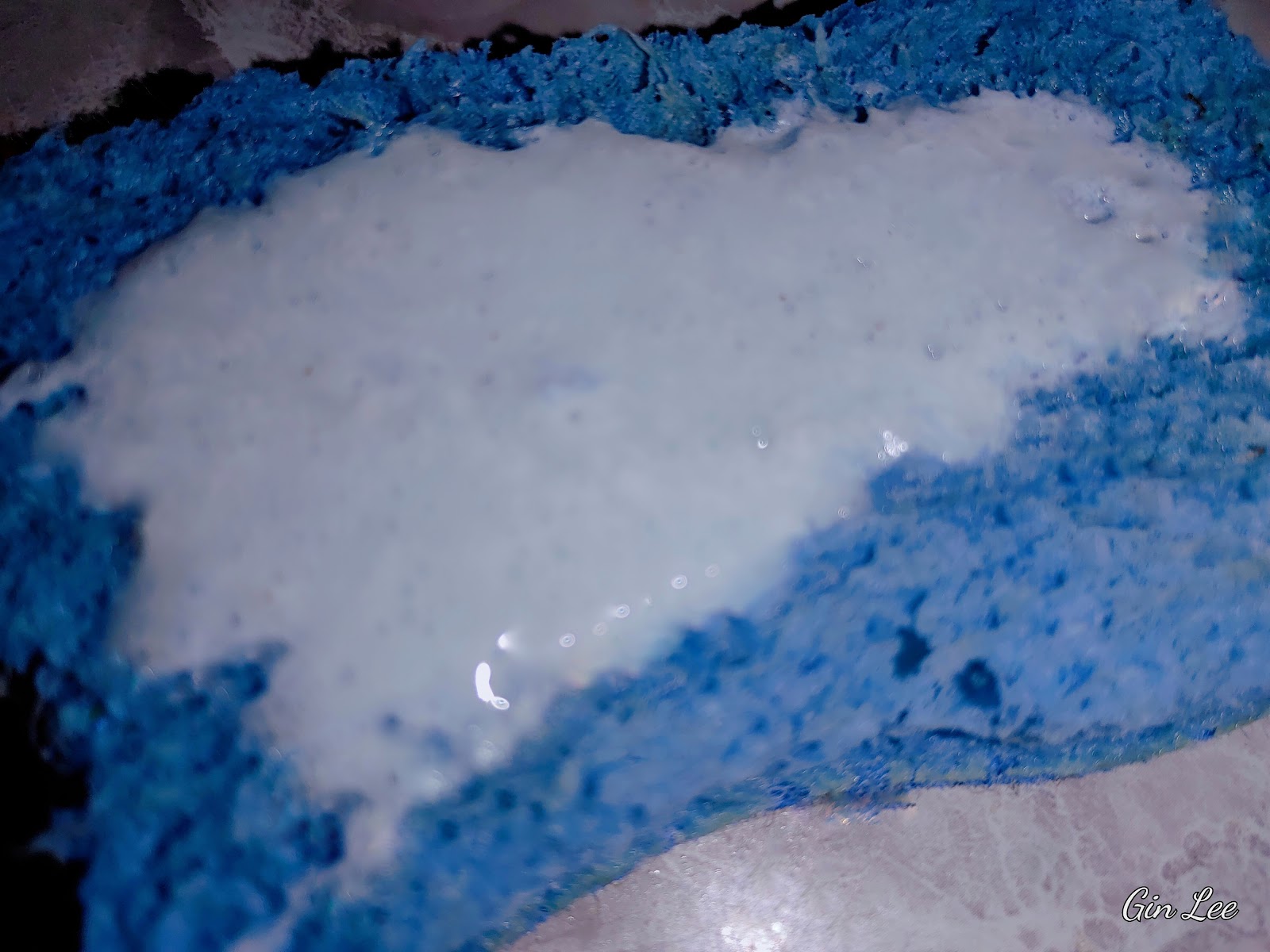
Basically, you'll need the same list of ingredients as the above method, but just use fewer of each. This method makes a paste which is even better to use in small areas.
Ingredients:
4 tablespoons of hydrogen peroxide
2 tablespoons of baking soda
1 tablespoon of Dawn original blue dish detergent
Instructions:
In a dish, add the list of ingredients; mix well.
Use this paste to get truly stuck on grease and other gunk clean. It works best if you work the mixture in and let it sit for at least thirty minutes to an hour.
Wet the surface a little with hot water, then scrub with a scouring pad. Then wipe off.
Oven cleaner
Ingredients:
1 cup of baking soda
2 lemons
1 tablespoon of Dawn original blue dish detergent
Instructions:
In a bowl, add your baking soda. Roll the lemons with the palm of your hand and countertop. Cut the lemons in half and squeeze the juice out into the bowl with the baking soda. Add the dish detergent and mix into a paste. If needed, add either a bit more lemon juice or water to bring it to a thinner consistency. This cleaner should be more like a thick paste, but a little moist too.
Next, open your oven and apply the cleaner to the inside surface. Scrub it on with one of the lemon halves. Now, allow the cleaner to stay on your oven's surface for at least thirty minutes. (If the inside of your oven is really dirty, the cleaner works even better if you can leave it overnight.)
Now, take a wet scouring pad and go over the cleaner again to get the really stuck on grease off. Wipe the inside of your oven clean with a moist towel, or use paper towels. Next, wipe your oven down with a dry towel.
Note:
I have only used Dawn's original blue dish detergent for all of these cleaners. You can try other brands, but I can only verify from my own personal tries that Dawn is the one specific dish detergent that works for me.