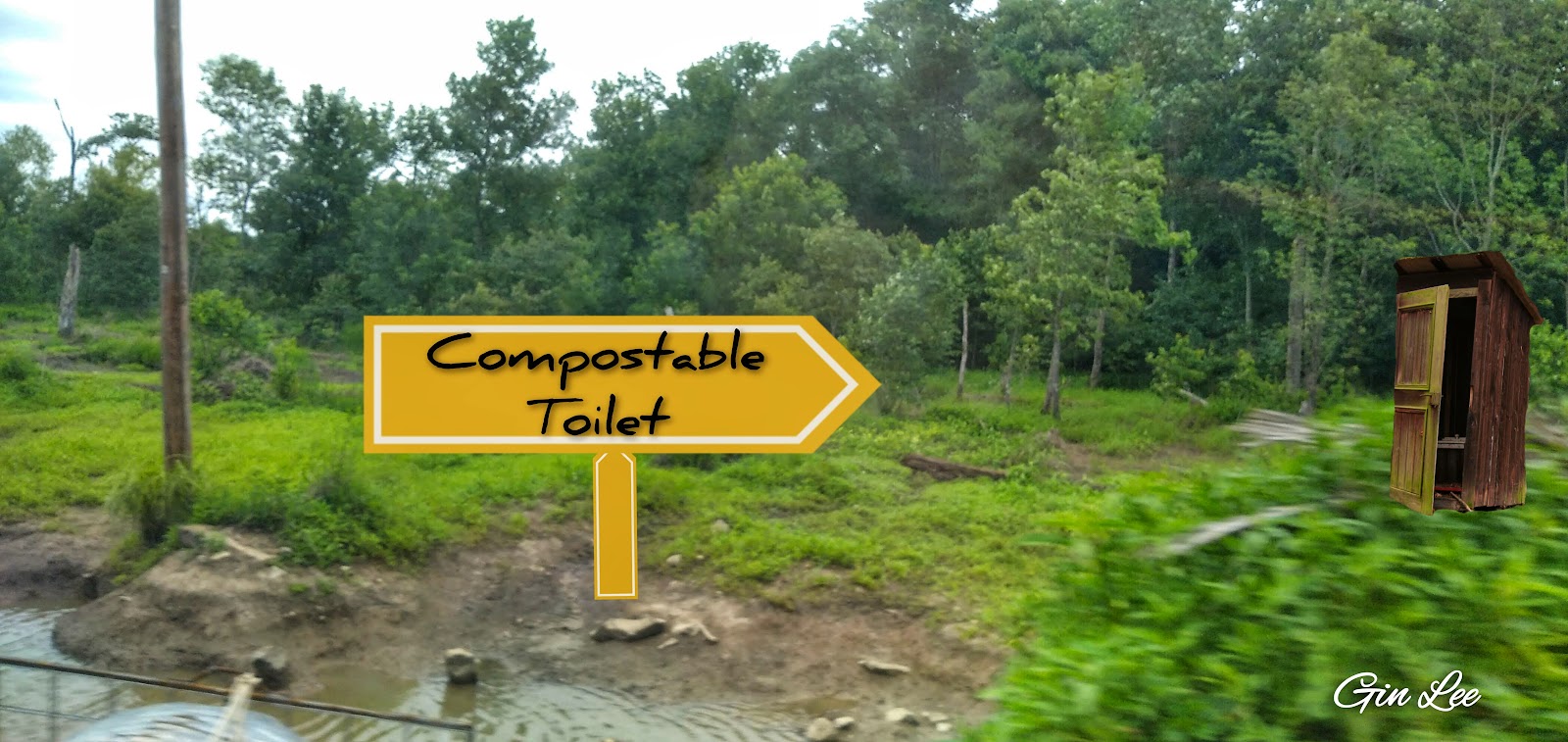
Saving money one flush at time with a compostable toilet
Make sure that you have a compostable toilet when, or if, the crap hits the fan! Yes, that was an intentional pun! But in all seriousness, compostable toilets have come a long way since the olden times of stinky outhouses that were placed outside in the back forty from yesterday-years.
While numerous states are in heavy droughts and in desperate need of a fix, water is literally going down the drain as waste in homes. On the average, a human being uses about eighty to one-hundred and seventy-five gallons of water a day and close to half of that percent is from flushing the commode.
What is a compostable toilet?
A compostable toilet is a toilet system that collects human excrements then turns it into a natural rich compost. It can reduce a single household's water waste up to sixty percent or more.
So, in the long haul, compostable toilets save a lot of money on utility bills and save on how much water is used in communities too.
A compostable toilet also has other benefits that could be a viable asset to homeowners and off-grid homesteaders, etc.. Because compostable toilets benefit in producing natural compost to fertilize the soil.
You could actually build a compostable toilet yourself for about forty-five dollars, that's if your state legally allows it. However, most states where it is legal require that you use NSF approved compostable toilets. The majority of NSF compostable toilets have a steep price close to two thousand dollars, but in the long run, it would more than pay for itself when considering how much money you'd save on water and sewage bills.
In Arkansas, compostable toilets are actually legal to own inside your home. However, they have to be NSF standard 41. Human waste excretions (from the compost) can be buried onsite. If your home also has running water, you'll need to have an approved method for getting rid of the gray water.
In Arkansas, it is actually legal to live off-grid if you want to do so. However, if you live in the state, or are thinking about moving here to live off-grid, there are certain loopholes within the state laws. It is actually illegal to have an DIY outhouse on your property, or build your own compostable toilet for your home, and that happens to be the case even if you're living off-grid miles away from civilization. While doing research, the compost toilets that I could find, which are legal in Arkansas, are the NSF 41 certified Sun-Mar. These toilets are approved for residential and off-grid living.
Off-grid living is legal in Arkansas. However, there are a few state laws which might make it illegal for you to go completely off-grid.
Three of the off-grid requirements (that I am aware of) are:
If you live near a municipal sewer system, you're required by Arkansas law to have your water and sewage hooked up (and require you to pay for it). You must have one flushable toilet inside your dwelling if you live near a municipal water and sewage system.
You're also required to have a NSF certified outdoor toilet, or a NSF 41 certified compostable toilet installed in your dwelling, if you are considering living off-grid, or considering installing a compostable toilet in your home in town or city.
It's also illegal to harvest rainwater in Arkansas, with the sole intent of using it for any other means other than for non-potable usages.
In addition to the Arkansas sewer and water laws, our state has many required rules and regulations when concerning which types of off-grid septic and water systems that are allowed, as well as how they're to be installed, and permit requirements. If you want to install a large rainwater harvesting system, recycle gray water or use something other than septic for waste, you will experience a lot of obstacles. For more information on this topic, please read my article, "Homesteading skills that you should know."
Note:
While looking up research on this topic for Arkansas, I found a lot of misleading information. Always check with your state and county beforehand. Because what is legal in one area may not be in another.
Resources:
Rodgers, T. (2012, September 8). Waterless toilets perfect selection for remote areas. Arkansas Online. https://www.arkansasonline.com/news/2012/sep/08/waterless-toilets-perfect-selection-remot-20120908/#:~:text=In%20Arkansas%20only%20pre-manufactured,the%20Health%20Department%20are%20allowed.
NSF approved toilets (that can be used in homes in the state of Arkansas) can be purchased at Home Depot. https://www.homedepot.com/p/Sun-Mar-Excel-Electric-Waterless-High-Capacity-Self-Contained-Composting-Toilet-in-White-EXCEL-white/203503054
© 2025 Olden Oasis
oldenoasis.blogspot.com