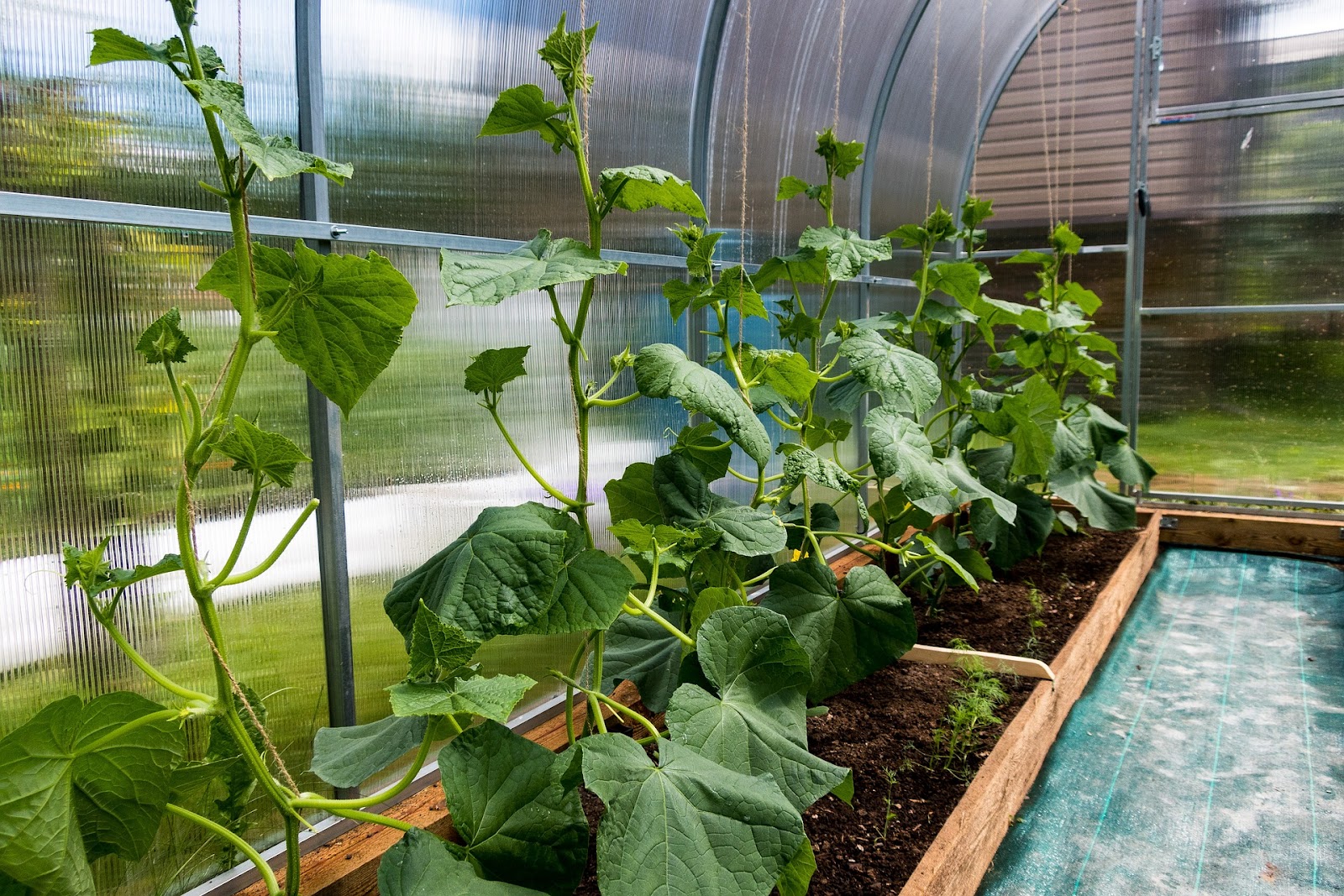
Greenhouse Gardening Tips for Small Scale Homesteads

Image by Alexei_other


Greenhouse Gardening Tips for Small Scale Homesteads

Choosing the Right Plants

When starting a greenhouse garden on your small scale homestead, it's important to choose plants that will thrive in a controlled environment. Consider vegetables like tomatoes, cucumbers, and peppers, as well as herbs like basil and mint.

Planting Techniques

Make sure to plant your seeds or seedlings at the appropriate depth and spacing. Follow the instructions on the seed packets or plant tags to ensure proper growth.

Maintaining the Greenhouse

Regularly check the temperature and humidity levels in your greenhouse to ensure optimal growing conditions for your plants. Ventilate the greenhouse on hot days to prevent overheating.

Watering and Fertilizing

Water your plants regularly, but be careful not to overwater. Use a balanced fertilizer to provide essential nutrients for healthy growth.

Pest Control

Keep an eye out for pests like aphids and spider mites that can damage your plants. Consider using natural remedies like neem oil or introducing beneficial insects like ladybugs to control pest populations.

Weed Management

Regularly check for weeds in your greenhouse and remove them promptly to prevent competition for nutrients and water.

Harvesting and Enjoying

Once your plants have matured, harvest them regularly to encourage continued growth. Enjoy the fruits of your labor by incorporating fresh produce from your greenhouse into your meals.


Popular posts from this blog

How to Grow Lentils in Hydroponic Trays

How to Grow Lentils in Hydroponic Trays Introduction Lentils are a nutritious and delicious legume that can easily be grown in hydroponic trays. Hydroponic gardening is a method of growing plants without soil, using nutrient-rich water instead. In this article, we will discuss the steps on how to grow lentils in hydroponic trays with nutrient solution and without it using only water. Materials Needed To grow lentils in hydroponic trays, you will need the following materials: Hydroponic trays Hydroponic trays that will hold the lentils and nutrient solution. Lentil seeds Make sure to use high-quality lentil seeds for the best results. Nutrient solution A mix of water and nutrient solution that will feed the lentil plants. Grow lights Since lentils need plenty of light to grow, you will need grow lights if you don't have access to natural sunlight. Steps to Grow Lentils Step 1: Prepare the Hydroponic Tray Fill the hydroponic tray with the nutrient solution according to the instru...

Introduction to Holiday Flock Blocks Made With Applesauce

Holiday Flock Blocks Made With Applesauce Welcome to my guide on creating delicious and nutritious Holiday Flock Blocks made with applesauce! Designed to provide your flock with a festive and healthy treat, these homemade blocks are packed with the goodness of applesauce and can be customized with various flavors and ingredients. In this article, we will explore the benefits of using applesauce in flock blocks, provide a step-by-step guide on how to make them, suggest creative variations and flavor combinations, offer tips on storing and presenting the blocks, discuss the health benefits for your flock, address common questions and troubleshooting, and conclude with our final thoughts. Let's dive in and create some delightful treats for your feathered friends this holiday season! Introduction to Holiday Flock Blocks Made With Applesauce What are Holiday Flock Blocks? Holiday flock blocks are a fun and nutritious treat for your feathered friends during the festive season. These hand...

Rendering Lard: A Sizzle of Tradition and Flavor

Rendering Lard: A Sizzle of Tradition and Flavor In light of rising prices, allow me to demonstrate how you can save money on cooking oil by creating your own lard at home. Rendering lard, the process of melting down and purifying pork fat to create a versatile cooking ingredient, has a rich history deeply rooted in culinary traditions around the world. While lard fell out of favor for a period, it is experiencing a resurgence due to its unique flavor profile and various benefits in cooking. My article today explores the art of rendering lard, from understanding its origins to selecting the right fats, different rendering methods, storage techniques, culinary uses, and essential tips for achieving optimal results. Historical Significance of Lard Lard holds a prestigious place in culinary history, being a key ingredient in traditional recipes across various cultures. It was prized for its versatility and ability to enhance the taste of dishes. Benefits of Rendering Lard Contrary to popu...